
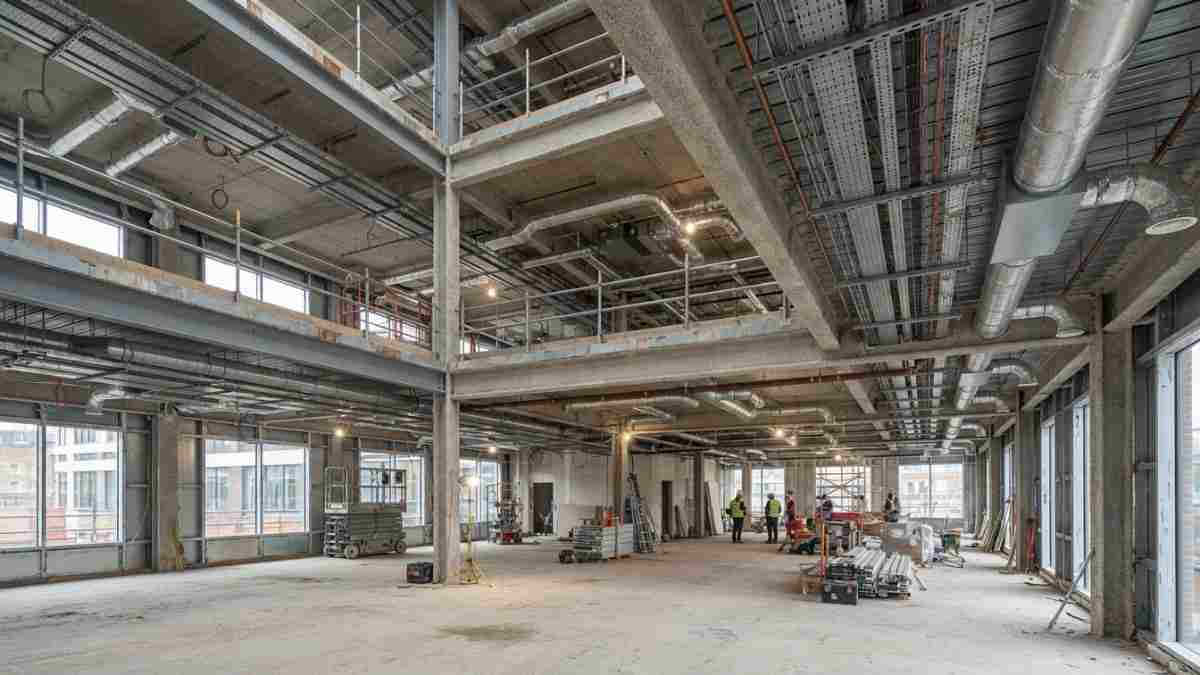
What Is MEP, and why is it important in modern construction? MEP stands for Mechanical, Electrical and Plumbing, three essential building services that make properties functional, comfortable and safe. From heating and ventilation to electrical installations and water supply, these systems play a vital role in how residential and commercial buildings operate. For property owners, developers and businesses in Harrow, understanding MEP engineering can help when planning new installations, refurbishments and ongoing building maintenance. At J Sons & Co., we understand the importance of reliable electrical and building services in supporting modern properties across Harrow and the wider London area.
At J Sons & Co., we understand the importance of properly planned building services. Through our electrical and building services experience, we recognise how important coordination is when different systems need to work together.
What Is MEP in Construction?
MEP in construction refers to the design, installation, operation and maintenance of mechanical, electrical and plumbing systems within a building. These systems form an essential part of the building infrastructure and directly influence how a property functions. The three disciplines have different responsibilities, but they are closely connected. For example, an air conditioning system requires electrical power, while its operation may also involve drainage and ventilation considerations.
MEP engineering ensures these services are considered together rather than treated as completely separate installations. For property developers, contractors and building owners in Harrow, effective MEP planning can help reduce installation problems and support better building performance.
What Does MEP Stand For?
MEP is an abbreviation for three important building services:
- Mechanical: Heating, ventilation, air conditioning and other mechanical equipment.
- Electrical: Lighting, power distribution, electrical installations and associated systems.
- Plumbing: Water supply, drainage, sanitary installations and wastewater systems.
Each discipline contributes to the overall functionality of a property. Their successful coordination helps create buildings that are practical, comfortable and suitable for their intended use.
What Is MEP Engineering and How Does It Work?
MEP engineering is the technical process of planning and coordinating mechanical, electrical and plumbing services within a building. It involves understanding the building’s requirements, selecting suitable systems and ensuring different installations can operate together. An MEP engineer considers the building layout, expected occupancy, equipment requirements and applicable regulations before recommending suitable solutions.
The process usually begins during the design stage. However, MEP considerations remain important throughout construction, commissioning and ongoing building maintenance.
1. Mechanical Systems
Mechanical systems control the indoor environment and help maintain comfortable conditions throughout a building. They are particularly important in offices, retail premises, industrial properties and residential developments. Heating, ventilation and air conditioning are commonly grouped under HVAC. These systems help regulate indoor temperatures, circulate air and manage ventilation.
Mechanical building services can include:
- Heating systems and boilers.
- Air conditioning and cooling equipment.
- Ventilation and air circulation systems.
- Mechanical plant and associated equipment.
For example, a commercial office in Harrow may require air conditioning to maintain comfortable working conditions during warmer months. The appropriate solution depends on the property’s layout, occupancy, ventilation requirements and available infrastructure.
2. Electrical Systems
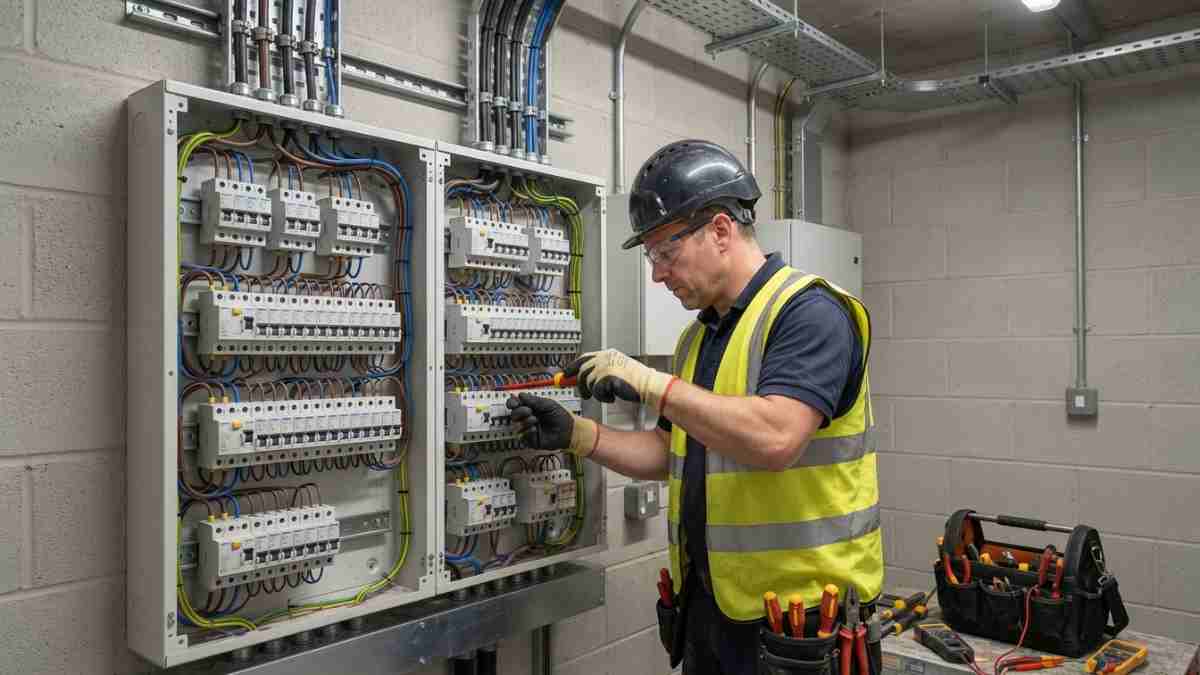
Electrical systems provide the power required to operate lighting, appliances, machinery and other building equipment. Their design and installation must account for electrical demand, safety and the intended use of the premises. A properly planned electrical installation also considers how different equipment will be powered without placing unnecessary strain on the system.
Common electrical building services include:
- Power distribution and electrical circuits.
- Internal and external lighting installations.
- Electrical connections for mechanical equipment.
- Electrical safety systems and associated controls.
In commercial premises, electrical planning is particularly important because equipment requirements can vary significantly between offices, shops and industrial buildings.
3. Plumbing Systems
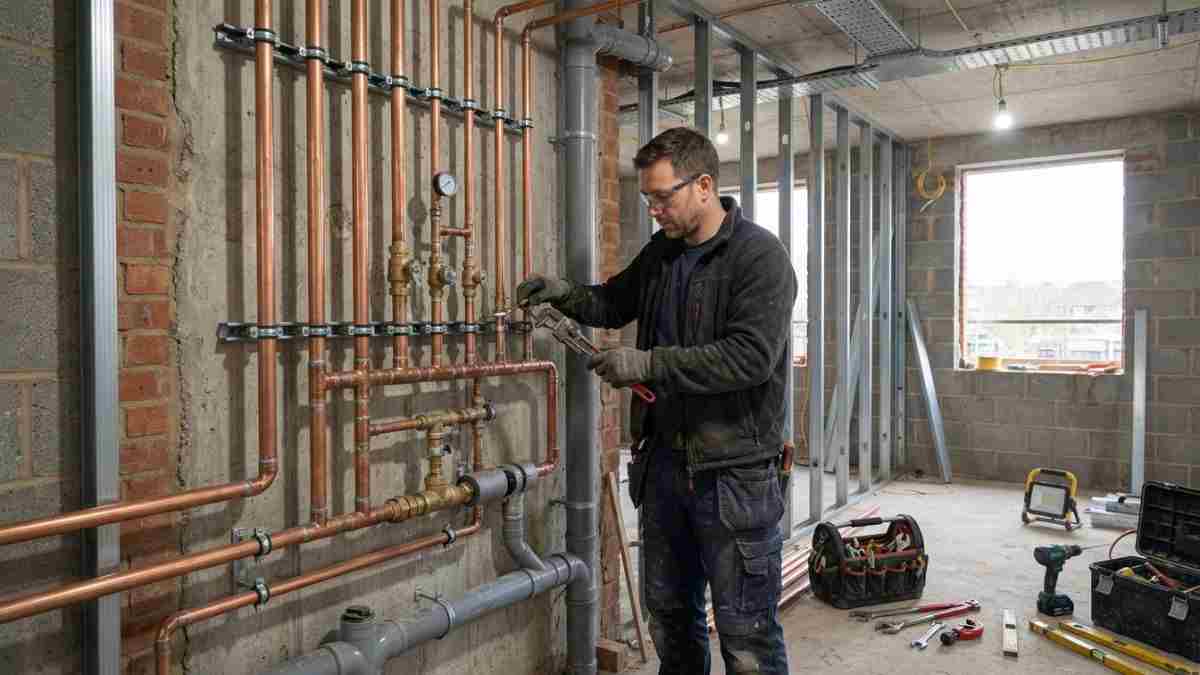
Plumbing systems manage the movement of clean water into a property and the removal of wastewater. They are essential for maintaining hygiene, sanitation and everyday building functionality. The design must consider water pressure, pipe sizing, drainage routes and the number of people expected to use the facilities.
Typical plumbing services include:
- Cold and hot water distribution.
- Sanitary fittings and bathroom installations.
- Drainage and wastewater pipework.
- Water storage and associated equipment.
In residential and commercial properties across Harrow, properly planned plumbing services help ensure that water supply and drainage arrangements meet the building’s requirements.
Why Are MEP Systems Important in Construction?
MEP systems are essential because they make buildings usable beyond their physical structure. Without suitable heating, electricity, ventilation and plumbing, even a newly constructed property may not provide a functional environment. Their importance extends to comfort, safety, energy consumption and long-term maintenance. Planning these services early can also help avoid conflicts between installations during construction.
For building owners and developers, coordinated MEP planning offers several practical advantages. These benefits become particularly valuable when multiple contractors and building services need to work within limited spaces.
The main benefits include:
- Improved building comfort: Heating, cooling and ventilation help create suitable indoor conditions.
- Better energy management: Appropriate equipment selection and system controls can help reduce unnecessary energy consumption.
- Enhanced safety: Properly designed and installed systems support electrical, mechanical and plumbing safety requirements.
- Simplified maintenance: Accessible equipment and organised service layouts can make future inspections and repairs easier.
These benefits depend on suitable design, competent installation, correct commissioning and ongoing maintenance. No building system can guarantee efficiency or reliability without proper attention throughout its lifecycle.
MEP Coordination in Modern Building Projects
MEP coordination is the process of ensuring that mechanical, electrical and plumbing installations fit together within the available building space. It is an important part of construction because different services often need to share ceilings, walls, risers and plant rooms. For example, ventilation ductwork may compete for ceiling space with electrical containment and plumbing pipework. Without proper coordination, contractors may encounter installation delays, access difficulties or expensive changes.
Common MEP Coordination Challenges
MEP coordination can become complicated when building layouts change or several services require the same installation space. This is particularly relevant during commercial refurbishments and projects involving existing infrastructure. Some common challenges include:
- Limited ceiling and service void space.
- Conflicts between pipes, cables and ventilation ductwork.
- Changes to building layouts during construction.
- Difficult access to equipment for inspection and maintenance.
Addressing these issues during planning can help reduce unnecessary rework and improve communication between the different trades involved.
MEP Systems in Residential and Commercial Buildings in Harrow
Different buildings have different MEP requirements. A residential property may prioritise heating, domestic hot water, electrical safety and effective drainage, while a commercial building may require more complex ventilation, cooling and power arrangements. In Harrow, property owners may encounter MEP requirements during new developments, office refurbishments, retail fit-outs and improvements to existing buildings.
Understanding the building’s purpose is essential before selecting or upgrading any services.
| Building type | Mechanical requirements | Electrical requirements | Plumbing requirements |
|---|---|---|---|
| Residential properties | Heating and ventilation | Lighting and power | Water supply and drainage |
| Commercial offices | HVAC and ventilation | Power distribution and lighting | Washrooms and water supply |
| Retail premises | Heating and cooling | Display lighting and power | Staff and customer facilities |
| Industrial buildings | Mechanical ventilation and equipment | Machinery power and distribution | Process and general water services |
For example, an office refurbishment in Harrow may require an assessment of existing air conditioning, electrical capacity and washroom facilities before work begins. Similarly, upgrading a residential property may involve reviewing heating performance, electrical installations and plumbing arrangements. The correct approach depends on the building’s condition, intended use and applicable technical requirements.
How to Choose the Right MEP Contractor in Harrow
Selecting the right contractor is an important decision because building services influence the safety, functionality and long-term performance of a property. Before starting a project, property owners should understand the contractor’s relevant experience, proposed scope of work and approach to safety and compliance.
It is also important to establish who will be responsible for design, installation, testing and commissioning. Consider the following points when assessing an MEP contractor:
- Relevant experience: Look for experience with building types and installations similar to your project.
- Technical competence: Check that the people undertaking regulated work have the appropriate qualifications and registrations.
- Clear project scope: Make sure the quotation explains the proposed work, materials and responsibilities.
- Testing and documentation: Confirm what inspection records, commissioning information and handover documents will be provided.
A clear discussion before work starts can help prevent misunderstandings and make it easier to assess whether the proposed solution meets your requirements.
Why Choose J Sons & Co. for Building Services in Harrow?
Finding a suitable building services contractor involves more than comparing quotations. Property owners need a team that understands the practical requirements of installations and appreciates the importance of planning, safety and coordination. J Sons & Co. is based in Wembley and serves customers across London, including Harrow. The company provides electrical contracting and related building services, with an understanding of the requirements involved in commercial and property maintenance work.
Our approach focuses on understanding the property, identifying the work required and discussing suitable solutions before a project moves forward. Here are some reasons to consider J Sons & Co.:
- Local London coverage: Based in Wembley, we serve Harrow and surrounding areas.
- Electrical contracting knowledge: Our electrical services are relevant to the power and installation requirements of modern buildings.
- Commercial building understanding: We recognise the importance of reliable building services in working environments.
- Customer-focused communication: Clear discussions help establish project requirements, expectations and the next steps.
Whether you are considering an electrical installation, an air conditioning requirement or improvements to existing building services, J Sons & Co. can discuss your requirements and help identify an appropriate way forward. Contact the team to discuss your project in Harrow and find out how we can assist.
Conclusion: What Is MEP and Why Does It Matter?
So, what is MEP? It stands for Mechanical, Electrical and Plumbing, three essential disciplines responsible for making buildings functional, comfortable and practical. From heating and ventilation to electrical distribution and water supply, these systems need careful planning and coordination. Their performance affects everything from everyday comfort to energy consumption and ongoing maintenance.
For property owners and businesses in Harrow, understanding MEP can make it easier to plan construction projects, refurbishments and building improvements. If you need assistance with electrical or related building services, J Sons & Co. is available to discuss your requirements. Contact the team to explore suitable solutions for your property.
Frequently Asked Questions About MEP
1. What is MEP in simple terms?
MEP stands for Mechanical, Electrical and Plumbing. It describes the essential building services responsible for heating, ventilation, electricity, water supply and drainage. These systems work together to make buildings functional and comfortable.
2. What is MEP in construction?
MEP in construction refers to planning, installing and coordinating mechanical, electrical and plumbing systems within a building. It ensures essential services are considered during construction and can operate effectively alongside other building components.
3. What is MEP engineering?
MEP engineering is the technical discipline concerned with designing and coordinating mechanical, electrical and plumbing systems. It involves selecting appropriate equipment, calculating system requirements and ensuring installations meet relevant standards and building requirements.
4. What are the three main components of MEP?
The three main components are mechanical, electrical and plumbing. Mechanical systems include heating, ventilation and air conditioning. Electrical systems provide lighting and power, while plumbing systems manage water supply and drainage.
5. Why is MEP important for commercial buildings in Harrow?
MEP is important because commercial buildings depend on reliable heating, cooling, ventilation, electrical power and plumbing. Properly coordinated systems support occupant comfort, building functionality, safety and ongoing maintenance.
6. How do I find a suitable MEP contractor in Harrow?
Start by checking relevant experience, technical qualifications, insurance, project scope and testing procedures. Ask for a clear quotation and confirm which services the contractor can undertake. J Sons & Co. serves Harrow from its Wembley base and can discuss electrical and related building service requirements.