
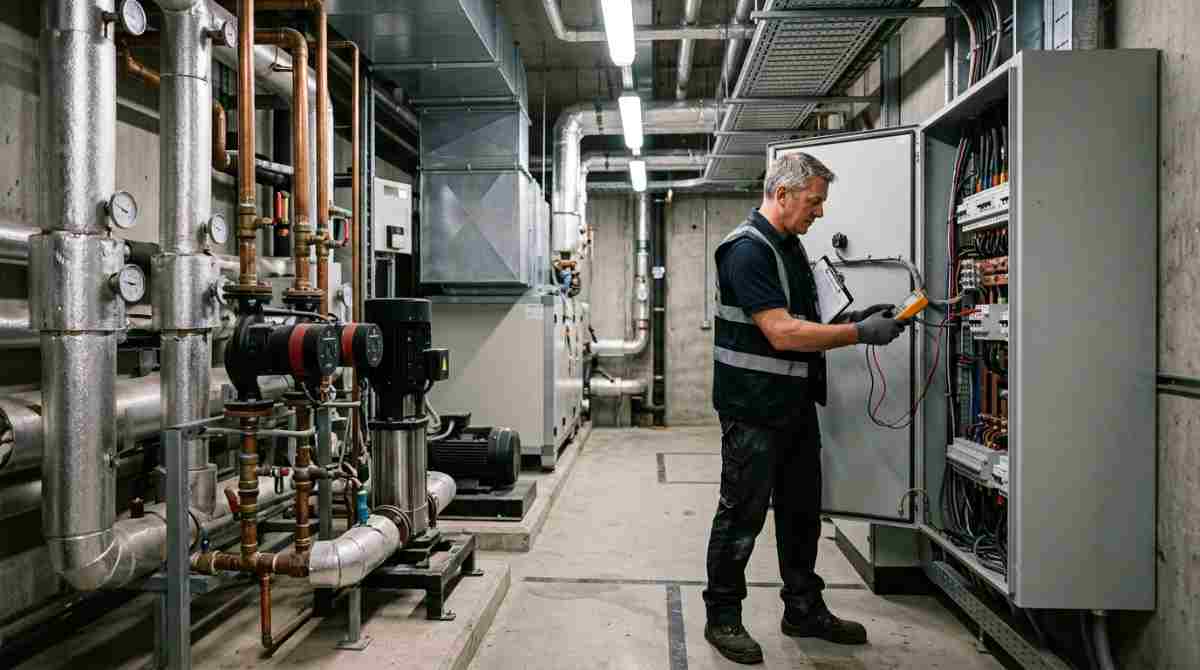
What happens when a commercial building’s heating stops working on a Monday morning, an electrical fault affects a work area, or a plumbing leak suddenly disrupts operations? The answer often depends on how the building’s mechanical, electrical and plumbing systems are maintained. For businesses in Wembley and across London, understanding Planned vs Reactive MEP Maintenance can help property managers, landlords and business owners make more informed decisions about building maintenance. Planned maintenance focuses on scheduled inspections, servicing and preventative work. Reactive maintenance takes place after a fault, breakdown or urgent problem occurs. In practice, many commercial properties use a combination of both approaches. The right balance depends on the building, equipment, operating requirements and potential consequences of system failure.
What Is Planned MEP Maintenance?
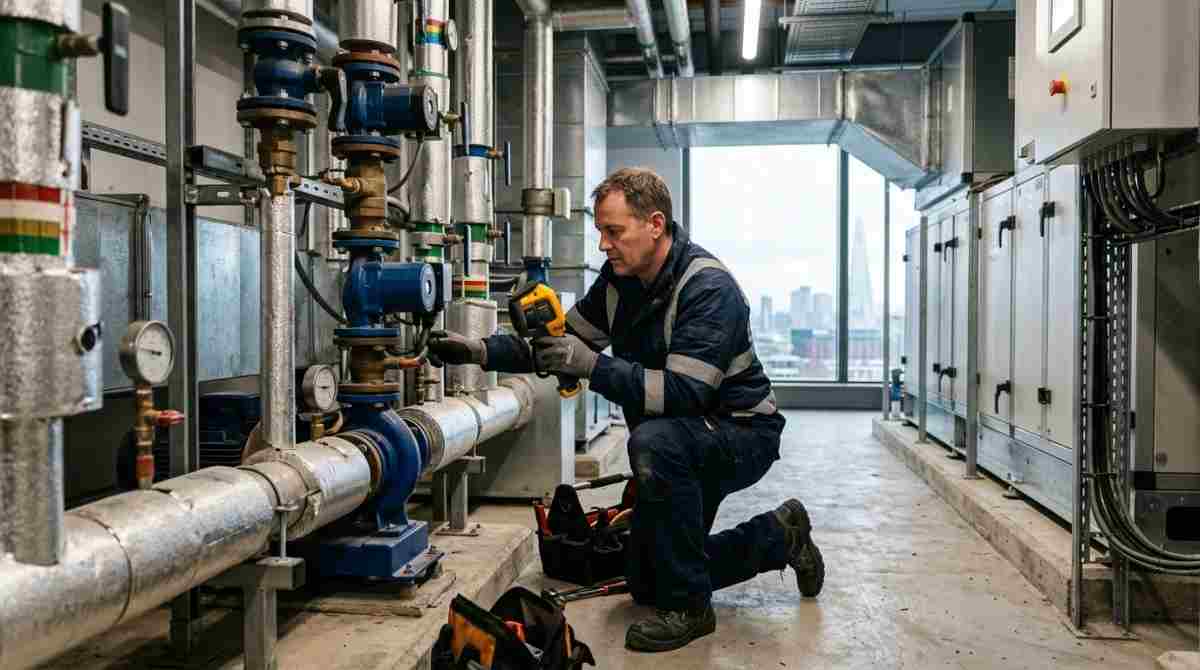
Planned MEP maintenance involves organising inspections, servicing and preventative work before a major fault occurs. The purpose is not simply to keep equipment running. Regular maintenance can help identify developing problems, maintain system performance and give property managers greater visibility over upcoming maintenance requirements. For commercial buildings, a planned programme may cover mechanical equipment, electrical installations, plumbing systems, ventilation and other building services.
What Can Planned Maintenance Include?
A planned maintenance programme can vary significantly depending on the property and its equipment. Before deciding what should be included, the building’s systems need to be understood properly. Equipment age, usage, previous faults and compliance requirements can all affect the maintenance schedule. For a typical commercial property, planned maintenance may include:
- Mechanical inspections: HVAC systems, ventilation equipment, boilers, pumps, refrigeration and associated plant can require scheduled inspection and servicing.
- Electrical maintenance: EICR requirements, distribution boards, electrical connections, lighting and other fixed electrical systems may need periodic inspection and testing.
- Plumbing maintenance: Water systems, sanitaryware, pipework, drainage, tanks and associated equipment can be checked for developing faults.
- Compliance and documentation: Inspection reports, certificates, photographs and maintenance records can help property managers maintain an organised compliance history.
A planned programme should be based on the actual building rather than a generic checklist.
What Is Reactive MEP Maintenance?
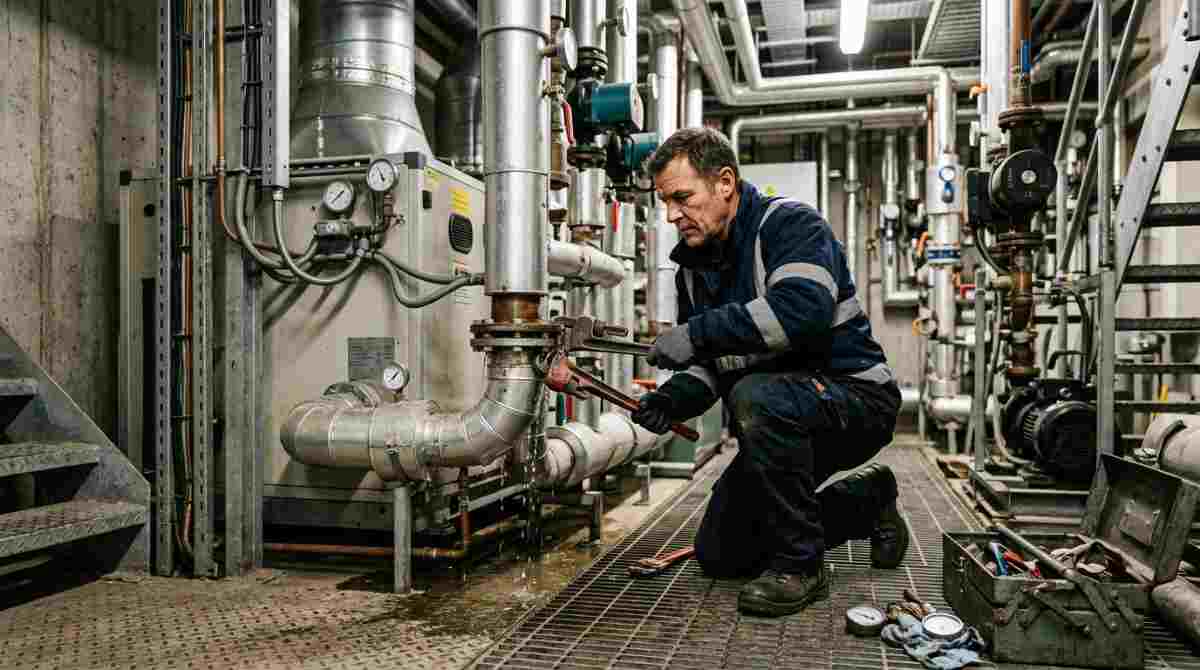
Reactive MEP maintenance is carried out when something has already failed or developed a problem. It can range from a leaking pipe or failed electrical component to an HVAC breakdown affecting an occupied commercial space. Reactive maintenance is often unavoidable. Even well maintained equipment can experience unexpected faults, particularly where systems are ageing, heavily used or affected by external conditions.
When Is Reactive Maintenance Necessary?
Reactive work becomes important when a problem needs immediate attention to restore safety, operation or essential building services. For example, a commercial property may experience an unexpected loss of heating, a plumbing leak or an electrical fault. In these situations, waiting for the next scheduled maintenance visit may not be appropriate.
Reactive MEP support may involve:
- Fault diagnosis: Engineers identify the cause of a mechanical, electrical or plumbing problem before deciding what repair is required.
- Emergency response: Urgent problems such as major leaks, electrical faults or critical HVAC failures may require rapid attendance.
- Temporary measures: In some situations, temporary isolation or repair may be necessary to reduce further disruption while a permanent solution is arranged.
- Follow up repairs: A reactive repair can reveal a wider maintenance issue that needs additional inspection or planned remedial work.
The key point is that reactive maintenance deals with problems after they have appeared.
Planned vs Reactive MEP Maintenance: What Is the Difference?
The biggest difference is timing. Planned maintenance is organised before equipment develops a serious fault, while reactive maintenance responds after a problem has occurred.
However, the distinction goes further than simply scheduled versus emergency work.
| Factor | Planned MEP Maintenance | Reactive MEP Maintenance |
|---|---|---|
| Timing | Scheduled in advance | After a fault occurs |
| Main purpose | Prevent or identify developing issues | Restore affected systems |
| Cost control | Easier to budget | Can be unpredictable |
| Disruption | Can often be scheduled around operations | May interrupt normal activities |
| Fault detection | Problems may be identified earlier | Fault is already present |
| Documentation | Regular maintenance records | Repair and fault records |
| Emergency dependency | Lower | Higher |
Neither approach completely replaces the other.
Commercial buildings still need reactive support because unexpected faults can happen. However, planned maintenance can help businesses manage many foreseeable maintenance requirements more systematically.
7 Key Factors to Consider
Choosing between planned and reactive maintenance should not be based on price alone. A building manager should consider how important each system is to daily operations and what could happen if it failed. A small plumbing issue may be inconvenient, while an HVAC failure in a heavily occupied workplace could have a much wider operational impact.
Here are four practical areas to assess:
- Building usage: Offices, retail units, restaurants, healthcare properties and industrial buildings have different operating patterns and maintenance requirements.
- Equipment condition: Older equipment may require closer monitoring because age, wear and previous faults can influence reliability.
- Business disruption: Consider how much downtime a failed system could cause and whether the affected area can continue operating.
- Compliance requirements: Certain systems require inspections, testing, servicing or documented checks according to applicable regulations and standards.
These factors can help determine where planned maintenance deserves greater attention and where reactive support remains necessary.
Why Planned Maintenance Can Be Valuable for Wembley Businesses
Commercial properties in Wembley can contain a mixture of HVAC equipment, electrical infrastructure, plumbing systems, ventilation and other building services. When several systems operate together, a fault in one area can sometimes affect other building operations. A planned programme gives property managers an opportunity to identify maintenance requirements before they become urgent. It can also make it easier to organise engineers, schedule access and maintain records.
Better Maintenance Visibility
One advantage of scheduled maintenance is visibility. Rather than waiting for a failure, property managers can work from a maintenance schedule and keep records of inspections, repairs and upcoming requirements. This can be particularly useful for landlords and facilities teams responsible for multiple commercial assets.
Why Reactive Maintenance Still Matters
Even with regular inspections, unexpected failures cannot always be eliminated. Mechanical components can fail, electrical faults can occur and plumbing systems can develop leaks without significant warning. For this reason, a practical commercial maintenance strategy should account for reactive repairs as well as planned work.
Combining Both Approaches
A combined approach can provide a more realistic maintenance structure. Planned maintenance deals with scheduled servicing, inspections and preventative work. Reactive maintenance provides a response when something goes wrong. For example, an engineer attending an emergency repair may identify an underlying issue that requires further planned work. Addressing that issue through scheduled maintenance can help reduce the chance of repeated disruption.
How J Sons & Co. Approaches MEP Maintenance
J Sons & Co. provides integrated mechanical, electrical and plumbing services for commercial and residential properties across London, including Wembley. The company’s MEP service approach covers planned maintenance, reactive repairs, installation and compliance related work. Its service structure includes planned MEP maintenance programmes with scheduled visits, reports, photographs and maintenance documentation.The team also provides reactive MEP repairs and emergency callouts where urgent problems require attention. This integrated approach can be useful where a property requires mechanical, electrical and plumbing support from one contractor rather than coordinating several separate service providers.
Why Choose J Sons & Co.?
Choosing an MEP contractor involves more than finding someone who can respond to a fault. Commercial property managers also need reliable communication, appropriate documentation and an understanding of building systems. J Sons & Co. operates across Wembley and the wider London area, providing mechanical, electrical and plumbing services through an integrated team. The company states that its MEP services cover all 32 London boroughs and the City of London.
The service approach includes:
- Integrated MEP support: Mechanical, electrical and plumbing services can be coordinated through one contractor.
- Planned maintenance: Scheduled PPM programmes can include maintenance visits, reports and photographs.
- Compliance focused work: Services cover areas including electrical testing, gas servicing, F Gas requirements and other relevant building compliance requirements.
- Commercial property experience: J Sons & Co. supports offices, retail properties, restaurants, hospitality, healthcare, education, industrial and residential properties.
For businesses, the objective should be to establish a maintenance approach that reflects the property’s actual systems, operating requirements and risk profile.
Frequently Asked Questions
1. What is the difference between planned and reactive MEP maintenance?
Planned MEP maintenance is scheduled before a fault occurs and focuses on inspections, servicing and preventative work. Reactive maintenance takes place after a fault, breakdown or urgent problem has developed.
2. Is planned MEP maintenance more expensive than reactive maintenance?
There is no universal answer. Planned maintenance creates a scheduled cost, while reactive repairs can vary depending on the severity of the fault, required parts, labour and disruption involved.
3. Can a business use both planned and reactive MEP maintenance?
Yes. Many commercial properties require both. Planned maintenance can address scheduled servicing and preventative work, while reactive support deals with unexpected breakdowns and urgent repairs.
4. How often should commercial MEP systems be maintained?
The appropriate frequency depends on the type of equipment, building usage, system condition, manufacturer requirements and applicable compliance obligations. A suitable maintenance schedule should be developed around the individual property.
5. What does a commercial MEP maintenance programme include?
It can include mechanical servicing, electrical inspection and testing, plumbing maintenance, HVAC checks, compliance documentation and planned remedial work. The exact scope depends on the property’s systems and requirements.
6. Can J Sons & Co. provide both planned and reactive MEP maintenance?
Yes. J Sons & Co. provides planned MEP maintenance programmes as well as reactive MEP repairs and emergency callouts for properties across Wembley and London.
Final Thoughts
The choice between planned and reactive maintenance is not always an either-or decision. Planned maintenance provides a structured way to manage inspections, servicing and preventative work, while reactive maintenance remains important when unexpected faults occur. For a Wembley commercial property, the most appropriate approach depends on the building’s equipment, occupancy, operational needs, compliance requirements and tolerance for disruption. Understanding these factors can help property managers build a maintenance strategy that is practical, organised and suited to the property. If your commercial building needs planned MEP maintenance, reactive repairs or a combination of both, J Sons & Co. can assess the requirements and discuss an appropriate maintenance approach for your property.
Contact J Sons & Co. to discuss your commercial MEP maintenance requirements in Wembley and across London.