
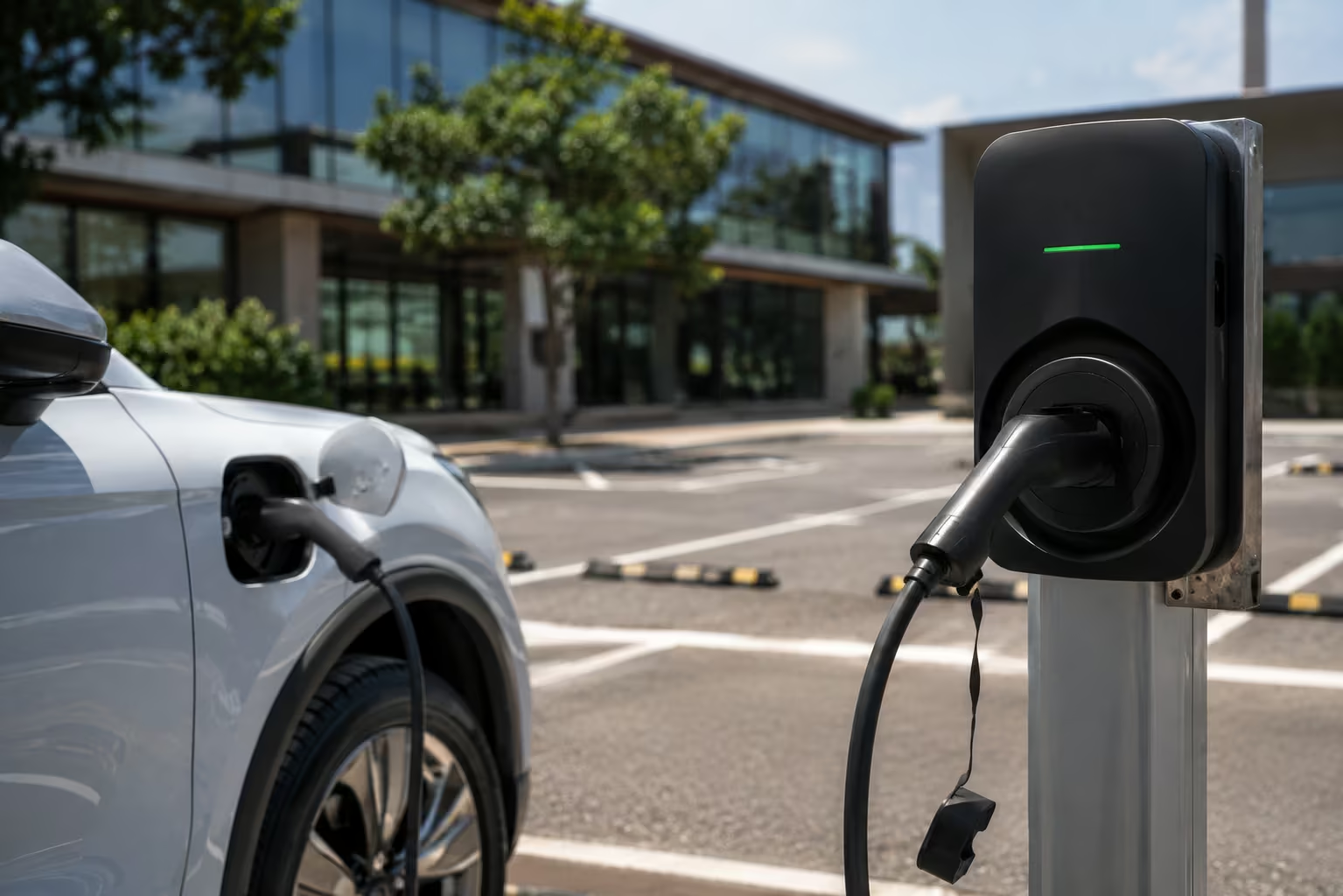
As electric vehicles (EVs) become increasingly popular across the UK, commercial property owners are recognizing the importance of providing EV charging facilities. Businesses, landlords, retail centres, offices, and industrial sites are investing in EV charging infrastructure to meet growing demand, enhance property value, and support sustainability goals.
Whether you are planning to install a few workplace charging points or a large-scale charging network, understanding the requirements and benefits of EV charging installation is essential. This guide explains everything commercial property owners need to know before investing in EV charging solutions.
Why EV Charging Matters for Commercial Properties
The transition to electric vehicles is accelerating as governments, businesses, and consumers seek cleaner transportation options. As more employees, customers, and visitors switch to EVs, access to convenient charging facilities is becoming a key expectation.
Installing EV chargers can help commercial property owners:
- Attract customers and tenants
- Improve employee satisfaction
- Support sustainability initiatives
- Increase property value
- Generate additional revenue
- Future-proof commercial assets
Businesses that invest in EV infrastructure today are positioning themselves for long-term growth and competitiveness.
Types of Commercial EV Chargers
Selecting the right charger depends on how the property will be used and how long vehicles are likely to remain parked.
Slow Chargers (3kW–7kW)
Slow chargers are typically used for overnight or long-duration parking. They are suitable for workplaces where employees remain on-site throughout the day.
Fast Chargers (7kW–22kW)
Fast chargers are commonly installed in offices, retail parks, hotels, and commercial car parks. They provide a practical balance between charging speed and installation cost.
Rapid Chargers (50kW+)
Rapid chargers are ideal for locations with high vehicle turnover, such as service stations, shopping centres, and transport hubs. These chargers can significantly reduce charging times.
Benefits of EV Charging Installation
Attract More Customers
Customers increasingly choose businesses that offer convenient EV charging facilities. Providing charging stations can encourage longer visits and improve customer satisfaction.
Enhance Employee Benefits
Workplace EV charging helps employees charge their vehicles during working hours, supporting the growing number of electric vehicle owners.
Increase Property Appeal
Commercial properties equipped with EV chargers are often more attractive to tenants and investors seeking future-ready facilities.
Support Sustainability Goals
Installing EV chargers demonstrates a commitment to reducing carbon emissions and supporting environmentally responsible business practices.
Potential Revenue Generation
Property owners may choose to charge users for electricity consumption, creating an additional source of income.
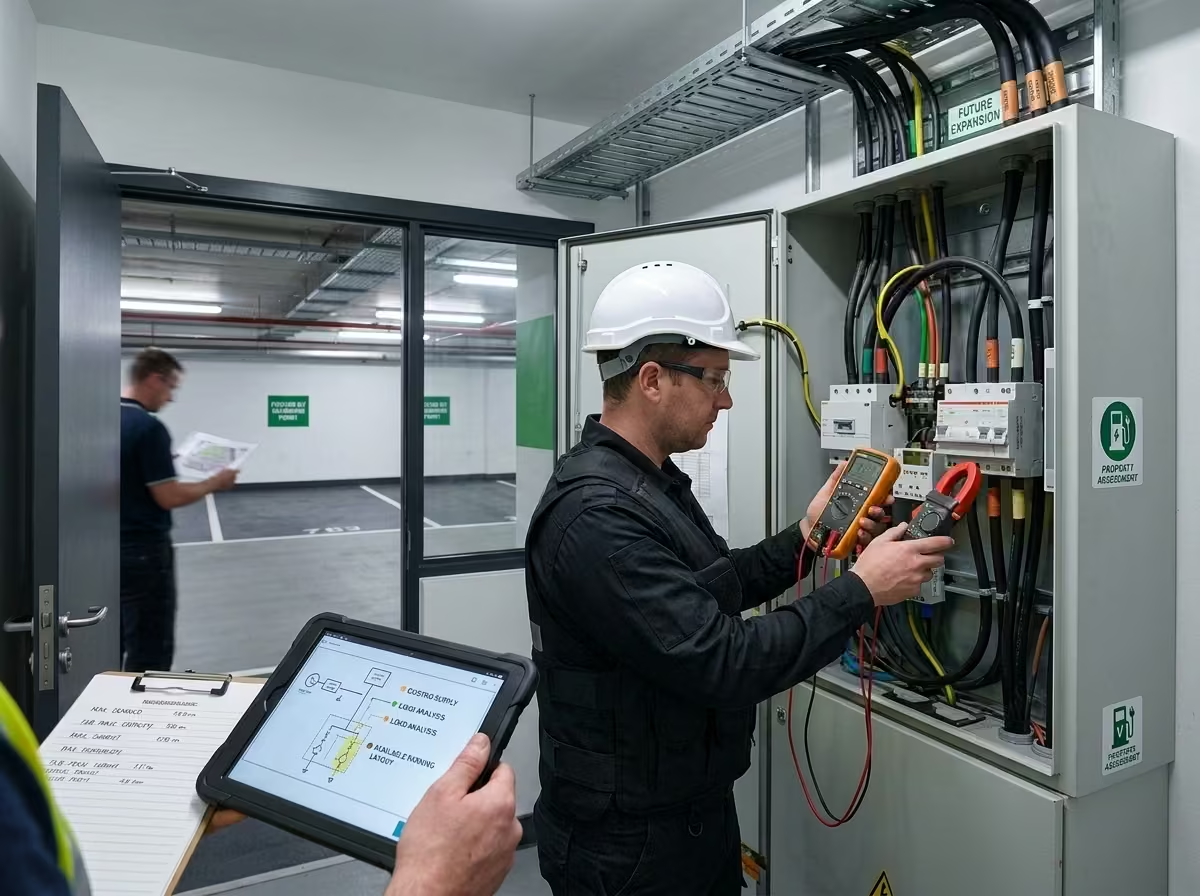
Assessing Your Property’s Electrical Capacity
Before installation, it is important to evaluate the property’s electrical infrastructure.
A qualified electrician should assess:
- Existing electrical supply capacity
- Distribution boards
- Load requirements
- Available parking spaces
- Future expansion needs
This assessment helps determine whether upgrades are required before chargers can be installed.
Choosing the Right Charging Solution
Several factors influence the choice of EV charging equipment.
User Requirements
Consider who will use the chargers:
- Employees
- Customers
- Tenants
- Fleet vehicles
- Visitors
Different users may require different charging speeds and access controls.
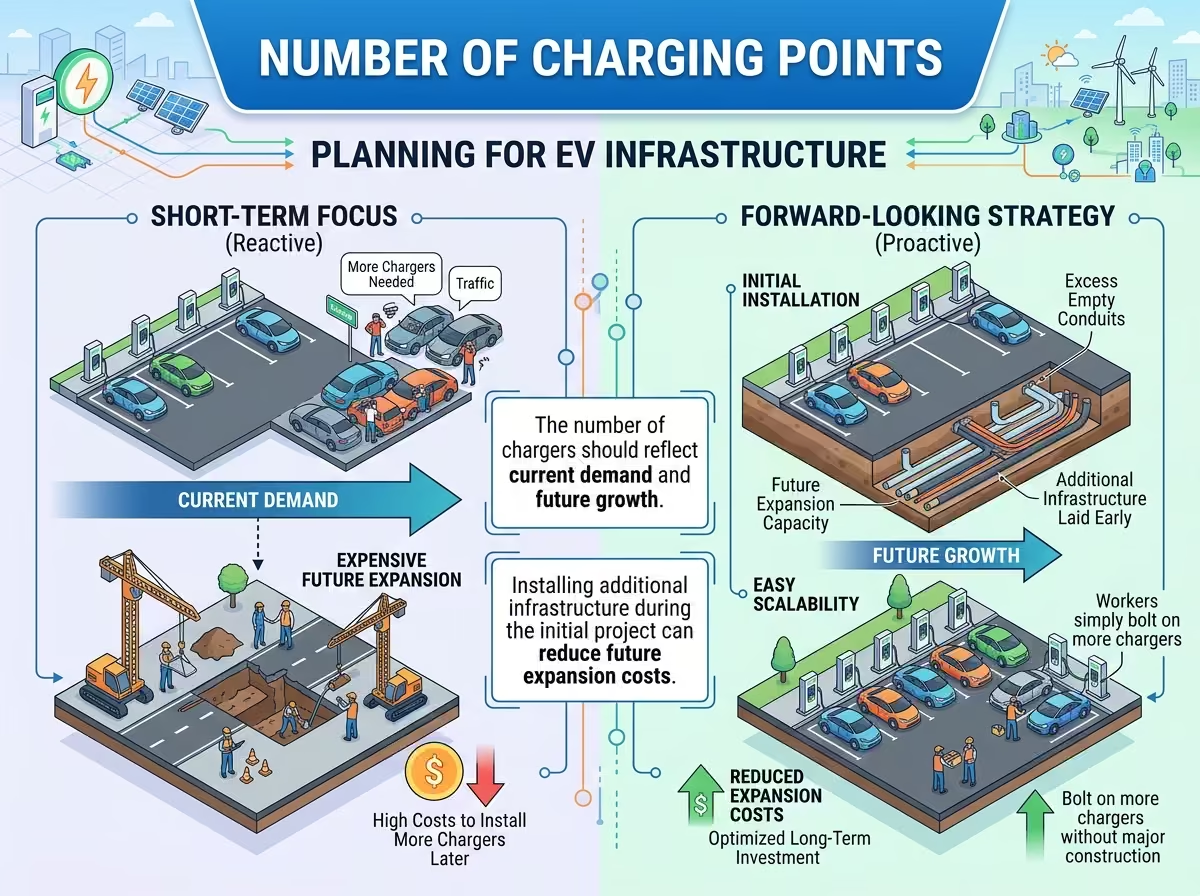
Number of Charging Points
The number of chargers should reflect both current demand and future growth.
Installing additional infrastructure during the initial project can reduce future expansion costs.
Smart Charging Features
Modern charging systems often include:
- Remote monitoring
- Usage reporting
- Energy management
- User authentication
- Payment processing
These features improve efficiency and simplify charger management.
Installation Process
The installation process typically involves several stages.
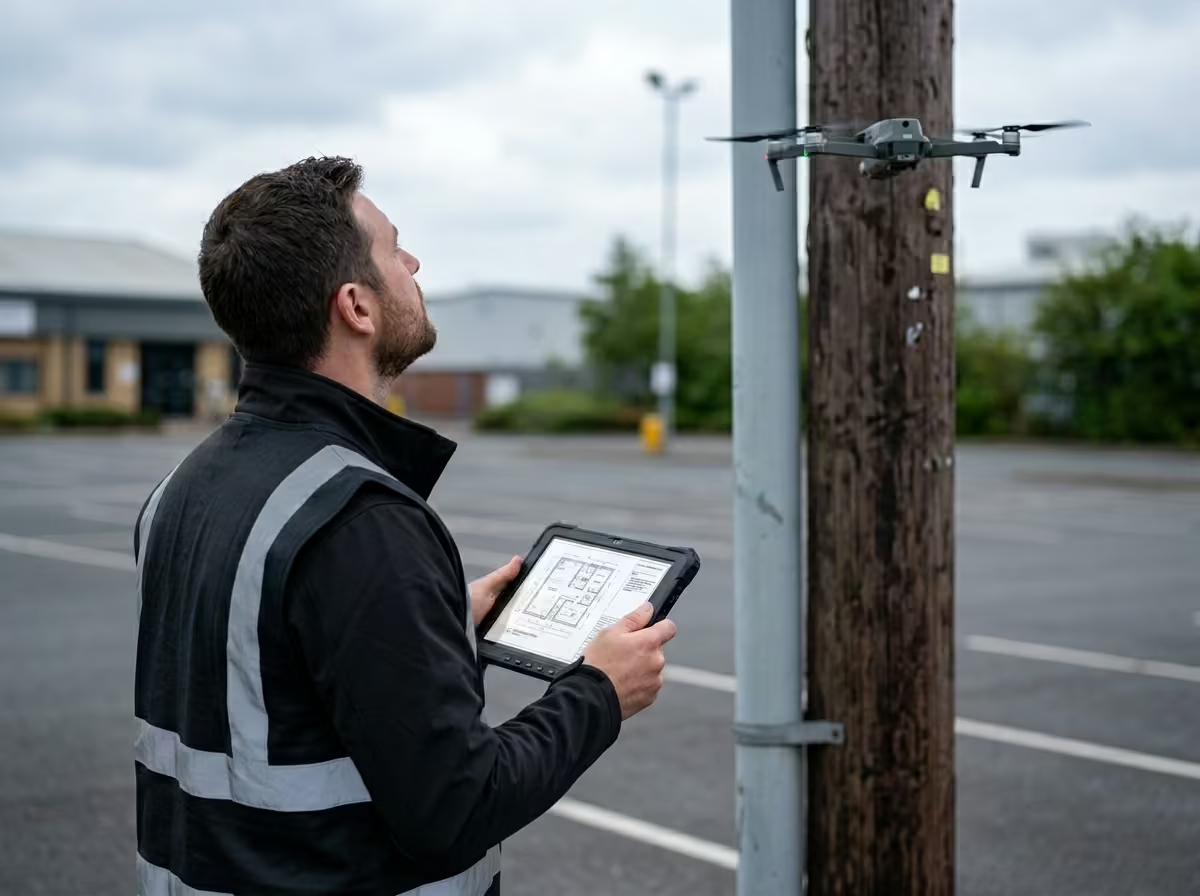
Site Survey
A professional site survey identifies suitable charger locations and evaluates electrical requirements.
System Design
Engineers design a charging solution based on site conditions, usage patterns, and budget requirements.
Electrical Upgrades
If necessary, electrical infrastructure may need upgrading to support charger installation.
Charger Installation
Qualified electricians install the charging units, cabling, protective devices, and associated equipment.
Testing and Commissioning
The completed system is tested to ensure safe operation and compliance with relevant regulations.
Compliance and Safety Requirements
Commercial EV charging installations must comply with UK electrical regulations and safety standards.
Key considerations include:
- BS 7671 Wiring Regulations
- Electrical safety testing
- Load management
- Earthing arrangements
- Surge protection
- Accessibility requirements
Working with qualified and experienced installers helps ensure compliance and safe operation.
Ongoing Maintenance and Support
Like any electrical system, EV chargers require ongoing maintenance to ensure reliability and performance.
Regular maintenance may include:
- Visual inspections
- Software updates
- Electrical testing
- Component replacement
- Performance monitoring
Preventative maintenance helps reduce downtime and extend equipment lifespan.
Future-Proofing Your Investment
Electric vehicle adoption is expected to continue growing rapidly over the coming years. Commercial property owners should consider future demand when planning installations.
Future-proofing strategies include:
- Installing additional cabling capacity
- Reserving parking spaces for future chargers
- Selecting scalable charging systems
- Implementing smart energy management
Planning ahead can help avoid costly modifications later.
FaQs
What is a commercial EV charging station?
A commercial EV charging station is a charging point installed at a business, office, retail site, or commercial property for use by employees, customers, tenants, or fleet vehicles.
How much does commercial EV charger installation cost?
Costs vary depending on charger type, site conditions, electrical upgrades, and the number of charging points required.
Can commercial properties generate revenue from EV chargers?
Yes. Many businesses charge users for electricity consumption and charging sessions.
Do I need planning permission for EV chargers?
In many cases, planning permission is not required, but local regulations and site-specific requirements should always be checked.
How long does EV charger installation take?
Most installations can be completed within a few days, although larger projects may require more time.
What type of EV charger is best for workplaces?
Fast chargers between 7kW and 22kW are commonly used in workplace environments due to their balance of speed and affordability.
Are EV chargers safe?
Yes. When installed by qualified electricians and maintained properly, EV charging systems are designed to meet strict safety standards.
Can existing electrical systems support EV chargers?
A professional electrical assessment is needed to determine whether upgrades are required.
Do EV chargers require maintenance?
Yes. Regular inspections and maintenance help ensure reliable operation and long-term performance.
Why should commercial property owners invest in EV charging?
EV charging infrastructure can attract customers, support employees, increase property value, generate revenue and help meet sustainability objectives.