
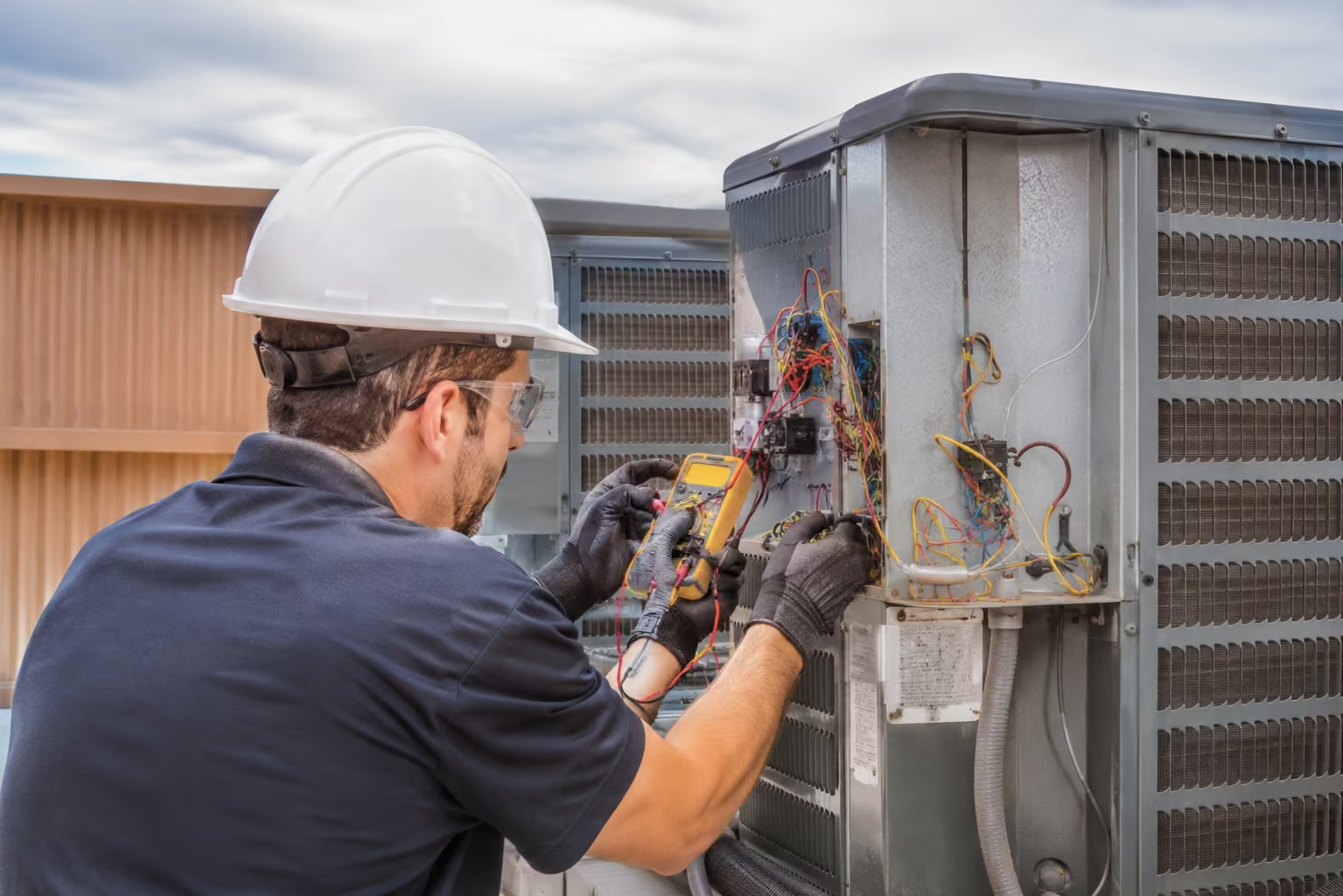
Heating, Ventilation, and Air Conditioning (HVAC) systems are one of the largest energy consumers in residential, commercial, and industrial buildings. In cities like London, where weather conditions vary throughout the year, an efficient HVAC system is essential for maintaining indoor comfort while controlling energy costs.
Choosing the right HVAC system and using it properly can significantly reduce electricity consumption, lower utility bills, and improve overall building performance. This guide explains how the right HVAC system improves energy efficiency and what building owners can do to maximize savings.
What Is an HVAC System?
An HVAC system controls indoor temperature, air quality, and ventilation. It includes:
- Heating systems (boilers, heat pumps, furnaces)
- Ventilation systems (air exchange and airflow control)
- Air conditioning systems (cooling and dehumidification)
Together, these components ensure a comfortable indoor environment throughout the year.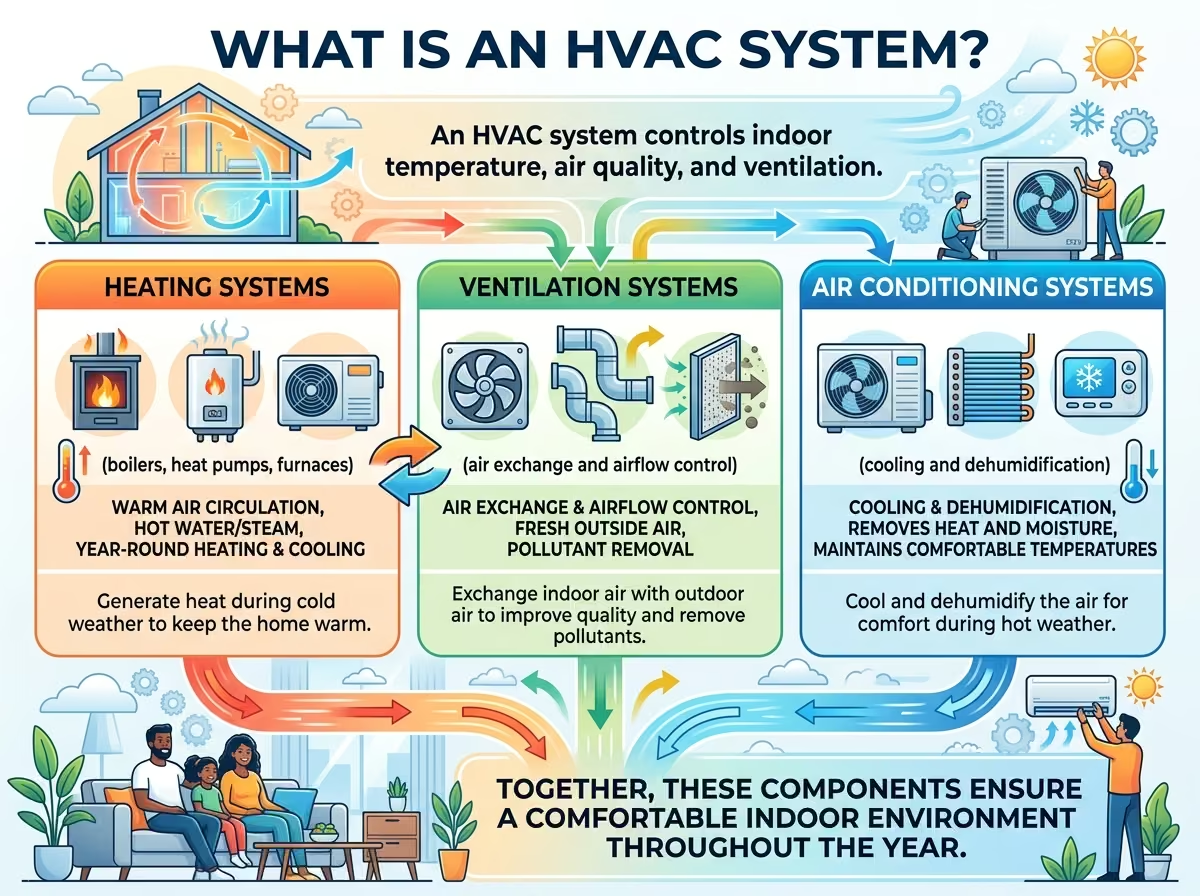
Why Energy Efficiency Matters in HVAC Systems
Energy-efficient HVAC systems help reduce:
- Electricity and gas bills
- Carbon emissions
- Equipment wear and tear
- Maintenance costs
- Overheating or overcooling issues
For commercial buildings, improving HVAC efficiency can also enhance workplace productivity and meet environmental compliance standards.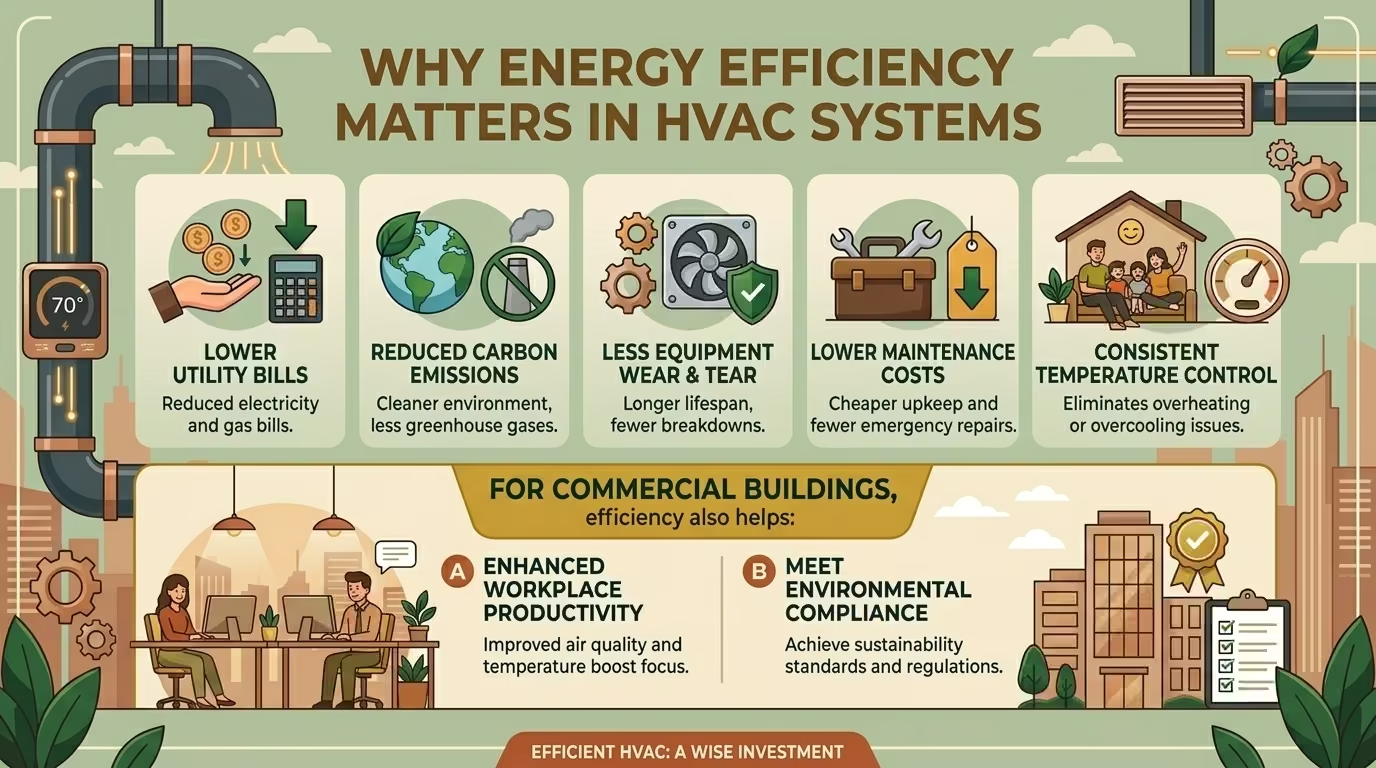
1. Choose the Right Sized HVAC System
One of the most common mistakes is installing an incorrectly sized system.
Oversized systems:
- Consume more energy
- Turn on and off frequently (short cycling)
- Reduce system lifespan
Undersized systems:
- Struggle to maintain temperature
- Run continuously at high load
- Increase energy consumption
A properly sized HVAC system ensures balanced performance, consistent temperature control, and lower energy use.
2. Upgrade to Energy-Efficient Models
Modern HVAC systems are designed with advanced energy-saving technology. Older systems can waste a significant amount of energy due to outdated components.
Energy-efficient options include:
- Inverter air conditioners
- High-efficiency heat pumps
- Energy Star-rated systems
- Variable speed compressors
These systems adjust output based on demand rather than running at full power all the time, which reduces energy waste.
3. Use Smart Thermostats
Smart thermostats are one of the easiest ways to improve HVAC efficiency.
They allow users to:
- Automate temperature schedules
- Control systems remotely via smartphone
- Learn usage patterns and adjust settings automatically
- Reduce unnecessary heating or cooling when buildings are empty
Even small temperature adjustments (1–2°C) can lead to noticeable energy savings.
4. Improve Insulation and Building Sealing
Even the most efficient HVAC system will waste energy if the building is poorly insulated.
Heat loss commonly occurs through:
- Windows and doors
- Roofs and ceilings
- Unsealed gaps and cracks
- Poor-quality insulation
Improving insulation reduces the workload on the HVAC system, helping it maintain temperature with less energy consumption.
5. Regular Maintenance and Servicing
Routine maintenance is essential for keeping HVAC systems efficient.
Key maintenance tasks include:
- Cleaning or replacing air filters
- Checking refrigerant levels
- Inspecting ductwork for leaks
- Cleaning coils and fans
- Testing system controls
A poorly maintained system works harder, consumes more energy, and is more likely to break down.
6. Optimize Airflow and Ventilation
Efficient airflow ensures that conditioned air is distributed evenly throughout the building.
To improve airflow:
- Keep vents unblocked
- Clean air ducts regularly
- Balance airflow in different rooms
- Use energy recovery ventilation systems where possible
Good ventilation improves air quality while reducing strain on heating and cooling systems.
7. Use Zoning Systems
Zoning allows different areas of a building to be heated or cooled independently.
For example:
- Offices can be cooled during working hours only
- Storage areas can use minimal heating
- Meeting rooms can be controlled separately
This prevents energy waste in unused areas and improves comfort where it is needed most.
8. Upgrade to Renewable or Hybrid Systems
Modern energy-efficient HVAC systems often combine traditional technology with renewable energy sources.
Examples include:
- Air-source heat pumps
- Ground-source heat pumps
- Solar-assisted heating systems
These systems reduce reliance on fossil fuels and significantly lower long-term energy costs.
9. Seal and Maintain Ductwork
Leaky ducts are a major source of energy loss.
Poor duct systems can waste up to 20–30% of conditioned air.
To improve efficiency:
- Seal all leaks and joints
- Insulate ductwork
- Inspect ducts regularly for damage
This ensures that heated or cooled air reaches its intended destination without loss.
10. Monitor Energy Usage
Energy monitoring systems help building owners track HVAC performance in real time.
They provide insights into:
- Peak energy usage times
- Inefficient system behavior
- Cost breakdowns
- Performance trends
By analyzing this data, property owners can make informed decisions to further reduce energy consumption.
Benefits of an Energy-Efficient HVAC System
Investing in the right HVAC system offers long-term advantages:
Lower Energy Bills
Efficient systems use less electricity and fuel, reducing monthly expenses.
Improved Comfort
Stable temperatures and better airflow enhance indoor comfort.
Longer Equipment Lifespan
Reduced strain leads to fewer breakdowns and longer system life.
Environmental Benefits
Lower energy consumption reduces carbon footprint.
Better Property Value
Energy-efficient buildings are more attractive to buyers and tenants.
FAQs
1. What is the most energy-efficient HVAC system?
Heat pumps and inverter-based systems are among the most energy-efficient HVAC solutions available today.
2. How often should an HVAC system be serviced?
At least once or twice a year, depending on usage and system type.
3. Does a smart thermostat really save energy?
Yes, smart thermostats can reduce energy usage by automatically adjusting temperatures based on occupancy and habits.
4. What temperature is best for energy efficiency?
Generally, 18–21°C for heating and 24–26°C for cooling is considered efficient.
5. How does insulation affect HVAC performance?
Good insulation reduces heat loss or gain, allowing the HVAC system to work less and save energy.
6. What causes high HVAC energy consumption?
Common causes include poor maintenance, incorrect system sizing, air leaks, and outdated equipment.
7. Are zoning systems worth it?
Yes, zoning systems reduce energy waste by heating or cooling only occupied areas.
8. Can old HVAC systems be upgraded?
Yes, older systems can often be improved with smart controls, better insulation, or partial component upgrades.
9. How do I know if my HVAC system is inefficient?
Signs include high energy bills, uneven temperatures, frequent repairs, and constant running.
10. What is the biggest factor in HVAC energy savings?
Proper system sizing combined with regular maintenance has the biggest impact on efficiency.