
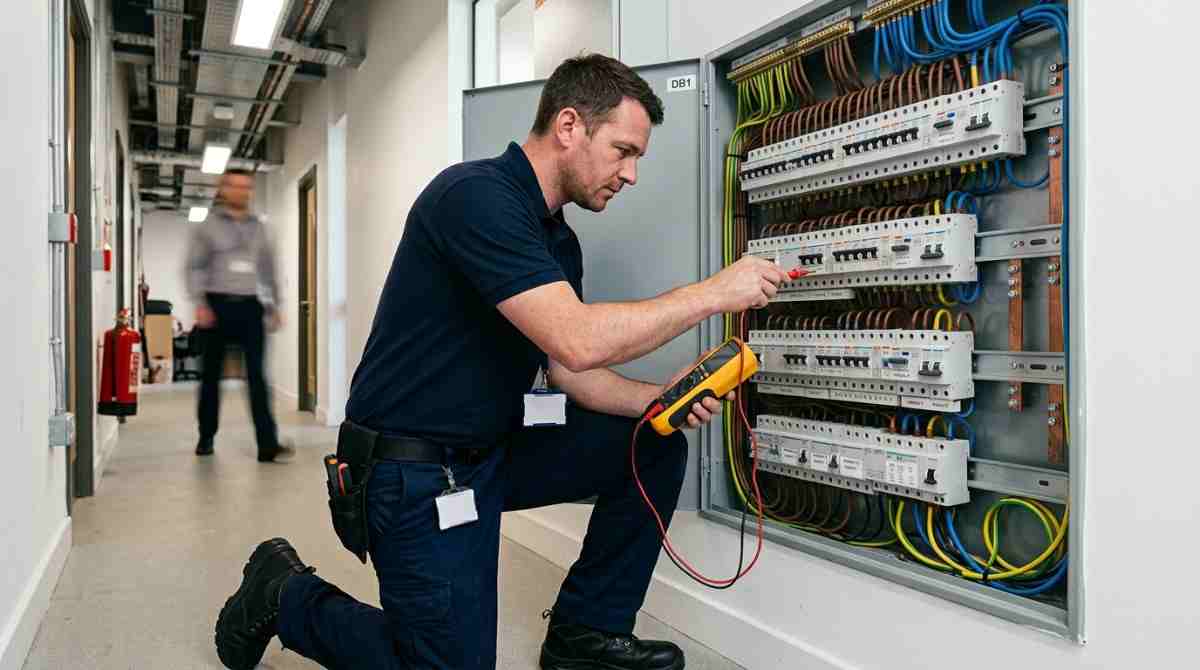
Electrical systems are the hidden backbone of almost every commercial property. From lighting and heating to computers, machinery, security systems and specialist equipment, businesses depend on reliable electricity throughout the working day. Electrical problems in commercial buildings, when something goes wrong, the impact can be much greater than a flickering light. Electrical faults can interrupt operations, damage equipment, create safety concerns and lead to unexpected repair costs.
At J Sons & Co., we understand that commercial electrical work requires a practical approach. A business needs more than a quick fix. It needs a safe, dependable solution that considers the building, the electrical installation and the demands placed on the system. Understanding common electrical problems in commercial buildings can help business owners, facilities managers and landlords recognise warning signs early and arrange professional assistance before a minor issue becomes a major disruption.
Common Electrical Problems in Commercial Buildings
Commercial electrical systems are often more complicated than domestic installations. They may supply multiple floors, offices, kitchens, workshops, plant rooms, warehouses and specialist equipment. As buildings change over time, electrical systems can also become harder to manage. New equipment may be installed, working spaces may be remodelled and electrical loads may increase. Here are some of the issues businesses commonly need to consider.
1. Circuit Overloading
A circuit can become overloaded when too much electrical demand is placed on it. This can happen when additional equipment is connected without properly considering the existing capacity of the installation. Overloading can cause protective devices to trip repeatedly and may result in overheating if the underlying issue is not addressed. Rather than repeatedly resetting a tripped breaker, businesses should investigate why the circuit is struggling. An electrician can assess the installation and determine whether the problem is excessive demand, a fault or another issue.
2. Flickering or Dimming Lights
Flickering lights may appear to be a minor inconvenience, particularly in an office or retail environment. However, persistent flickering should not simply be ignored. The cause can vary from a faulty lamp or fitting to a loose connection or a problem elsewhere in the circuit. In commercial premises, identifying the actual cause is important because the electrical system may serve numerous fittings and areas. If lights repeatedly flicker, dim unexpectedly or behave differently when equipment starts, arrange an electrical inspection rather than relying on repeated replacement of bulbs.
3. Frequent Circuit Breaker Trips
Protective devices are designed to disconnect electrical supplies when certain problems occur. If a breaker trips occasionally, there may be a temporary issue. Frequent trips, however, deserve investigation. A circuit may be overloaded, an appliance may have developed a fault or there could be an issue within the electrical installation. Repeatedly resetting the breaker without finding the cause can leave the underlying problem unresolved. Commercial properties should have faults properly diagnosed so that the appropriate repair can be carried out.
4. Outdated Electrical Installations
Older commercial buildings can contain electrical installations that no longer reflect the demands of modern business operations. Office technology, kitchen appliances, heating equipment, machinery and other systems can significantly increase electrical demand compared with the requirements of an older installation. An electrical inspection can help identify deterioration, outdated components and areas that may require improvement. Upgrading an installation can also be an opportunity to plan capacity around the building’s current and future needs.
Warning Signs Businesses Should Never Ignore
Electrical problems do not always begin with an obvious failure. Sometimes the earliest warning is a smell, sound or unusual change in how equipment behaves. Paying attention to these signs can help businesses arrange professional assistance before the situation becomes more disruptive. A practical inspection should consider both visible symptoms and the condition of the wider installation.
Watch for These Warning Signs
Before deciding that an electrical issue is simply part of normal building operation, look at the wider pattern. Repeated problems can indicate an underlying fault rather than isolated equipment failure. Staff should know who to contact when something unusual is noticed. Prompt professional attention can help reduce unnecessary downtime and safety risks.
• Burning smells or unusual heat: A persistent burning smell, hot socket or unusually warm electrical equipment should be treated seriously.
• Buzzing or crackling sounds: Unusual sounds from switches, sockets, distribution equipment or electrical fittings may require investigation.
• Repeatedly tripping breakers: Frequent trips can indicate overloading, equipment faults or other electrical problems.
• Damaged cables or accessories: Cracked, exposed or visibly damaged electrical components should not be ignored or handled unnecessarily.
How Electrical Problems Can Affect a Business
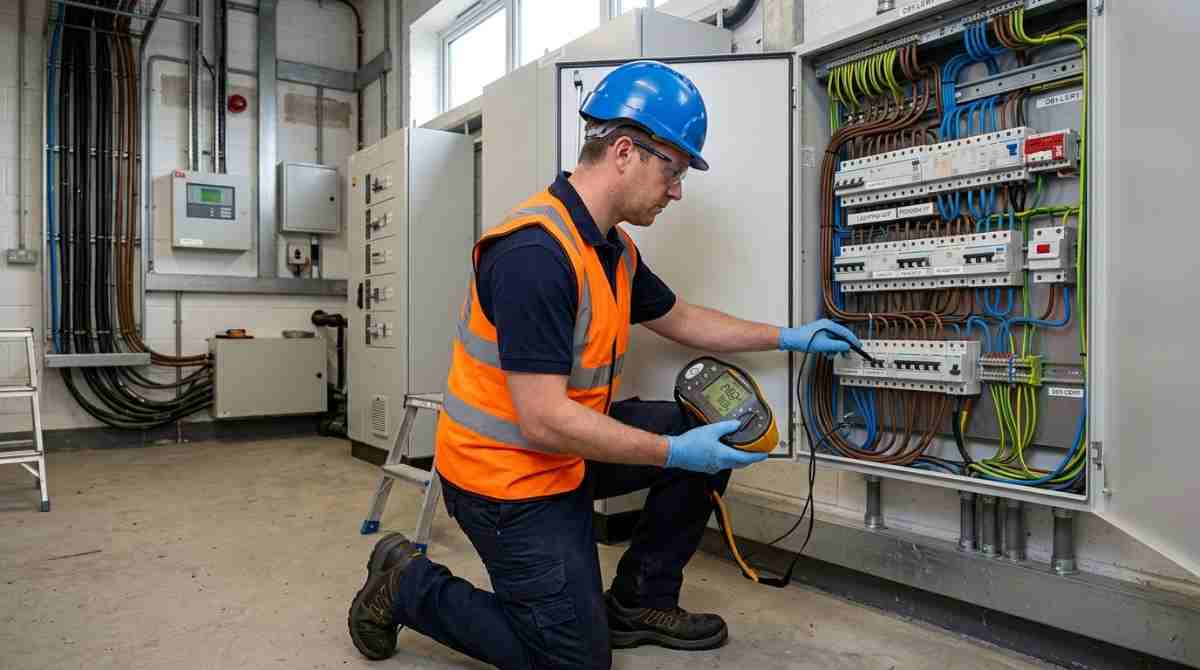
Electrical faults can have consequences beyond the immediate repair. A failed circuit could affect computers, refrigeration, production equipment, lighting or security systems. For a business, even a short interruption can affect employees, customers and scheduled operations. In some environments, an electrical failure can also create additional problems such as loss of temperature control or interruption to essential equipment. This is why preventative maintenance is valuable. Finding developing problems during planned inspections can give businesses more control over repairs and reduce the likelihood of unexpected disruption.
Potential Business Impact
Before an electrical fault occurs, it is worth considering which systems are most important to your daily operation.
Different commercial properties have different electrical demands and different levels of tolerance for downtime.
A small retail unit may have very different priorities from a warehouse, office or workshop.
Understanding these priorities helps when planning inspections, repairs and future electrical improvements.
• Operational disruption: Faults can interrupt lighting, equipment, heating, cooling, computers and other essential systems.
• Unexpected expenditure: Emergency repairs may be more difficult to plan for than scheduled maintenance.
• Equipment damage: Electrical faults can potentially affect sensitive equipment and business technology.
• Safety concerns: Electrical defects can create hazards for employees, visitors, contractors and customers.
Why Professional Electrical Inspections Matter
Commercial electrical installations should not be judged only by whether the lights turn on and equipment appears to work. A system can continue operating while developing defects, deterioration or capacity issues. Professional inspection allows an electrician to examine relevant parts of the installation and identify problems that may not be obvious during everyday use. For businesses, inspections can also provide useful information for maintenance planning. Instead of reacting to every failure individually, property owners and facilities teams can develop a clearer understanding of the condition of their electrical systems.
What an Electrician May Assess
The exact inspection will depend on the building and the reason for the visit. Commercial properties vary considerably in size, age, layout and electrical demand. A professional will consider the symptoms reported as well as the wider installation where appropriate. This helps ensure that attention is given to the cause of the problem rather than only its visible symptom.
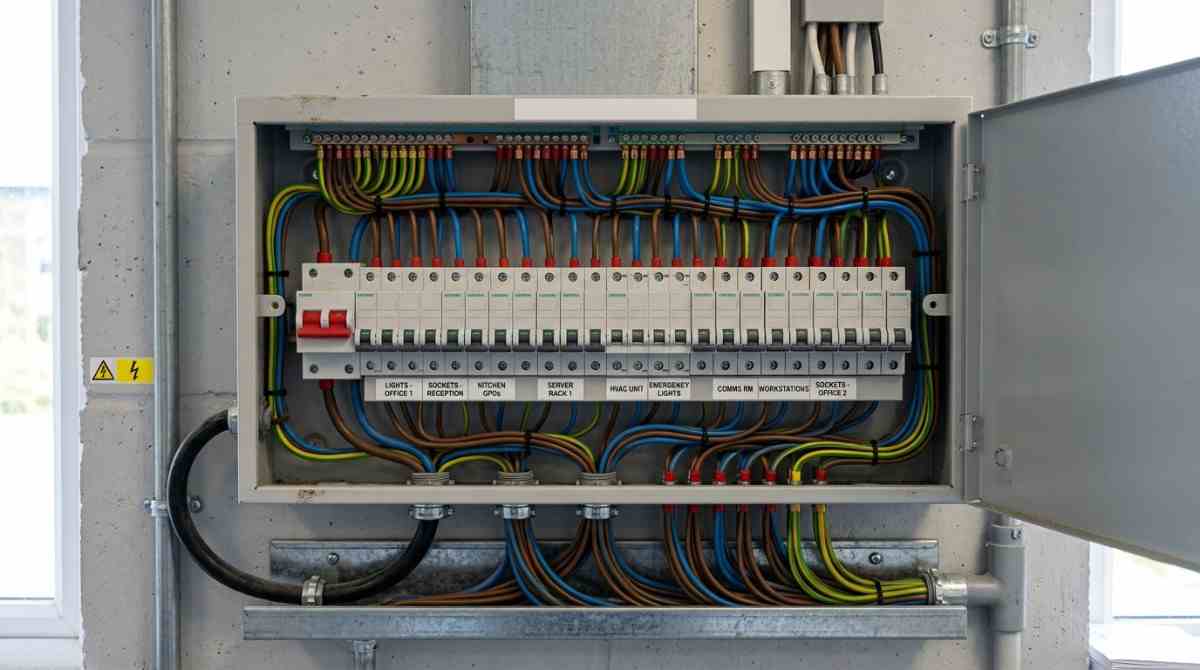
• Distribution boards and protective devices
• Sockets, switches and electrical accessories
• Wiring and visible cable condition
• Lighting circuits and commercial lighting equipment
Preventing Electrical Problems in Commercial Buildings
Prevention starts with understanding how the electrical system is being used. When businesses add equipment, alter layouts or introduce new machinery, the electrical installation may need to be reviewed. Simply adding more extension leads or connecting equipment to existing circuits is not always an appropriate long term solution.
Good housekeeping also matters. Electrical equipment should be used according to manufacturer guidance, damaged accessories should be reported and electrical areas should be kept accessible for inspection and maintenance. Businesses can also benefit from keeping records of electrical repairs and recurring faults. A pattern of repeated failures can provide valuable information when an electrician investigates the installation.
What to Do When an Electrical Fault Occurs
When an electrical issue affects a commercial property, the first priority should be safety. Staff should avoid attempting repairs unless they are appropriately trained and authorised to carry out the work. Damaged electrical equipment should not be used, and signs of burning, smoke or serious electrical damage require immediate attention. For less urgent issues, documenting what happened can help the electrician diagnose the fault more efficiently. Note which equipment was operating, which circuit was affected and whether the problem has happened previously. Providing this information can save time during the initial assessment.
Why Choose J Sons & Co.?
At J Sons & Co., we take a practical, business focused approach to commercial electrical work. Our team understands that electrical issues are rarely convenient. A business needs clear communication, careful fault finding and work carried out with attention to safety and the requirements of the property. Rather than treating every fault as an isolated problem, we look at the circumstances surrounding it. If a breaker keeps tripping, for example, understanding what is connected to the circuit and when the fault occurs can be just as important as resetting the protective device.
We also recognise the importance of explaining the issue clearly. Business owners and facilities managers should understand what has been found, what needs attention and what options are available. Whether you need help investigating an electrical fault, maintaining a commercial installation or planning electrical improvements, J Sons & Co. can help you approach the work with greater confidence.
A Practical Approach to Commercial Electrical Maintenance
Good electrical maintenance is about more than reacting when something stops working. Businesses can benefit from knowing the age and condition of their electrical installation, understanding recurring faults and addressing concerns before they become disruptive. If your property is experiencing repeated electrical issues, unusual smells, flickering lights, damaged accessories or unexplained power interruptions, arranging professional advice is a sensible next step.
The right response depends on the building, the installation and the fault itself. A qualified professional can assess the circumstances and recommend appropriate action.
Frequently Asked Questions
1. What are the most common electrical problems in commercial buildings?
Common issues can include overloaded circuits, frequent breaker trips, faulty lighting, damaged accessories, wiring problems and ageing electrical installations. The underlying cause should be professionally investigated rather than assumed.
2. Why do circuit breakers keep tripping in a commercial building?
Repeated tripping can be associated with excessive electrical demand, faulty equipment or an electrical fault. Repeatedly resetting the breaker without investigating the cause is not a suitable long term solution.
3. Are flickering commercial lights a serious problem?
Flickering can have simple causes, such as a faulty lamp, but it can also indicate a connection or circuit issue. Persistent or unexplained flickering should be assessed by a competent electrician.
4. How can businesses prevent electrical problems?
Regular maintenance, appropriate inspections, prompt reporting of faults and responsible use of electrical equipment can all help. Electrical systems should also be reviewed when a business significantly changes its equipment or premises.
5. When should a business call an electrician?
Businesses should arrange professional assistance when they experience recurring faults, damaged electrical components, burning smells, unusual electrical noises, repeated breaker trips or unexplained power interruptions.
6. Can an old commercial electrical system handle modern equipment?
It depends on the condition and capacity of the existing installation. Additional equipment can increase electrical demand, so an electrician should assess the installation before significant changes are made.
Final Thoughts
Electrical problems in commercial buildings should never be treated as simply an inconvenience. Even a seemingly small fault can indicate a wider issue or cause unnecessary disruption to business operations. Recognising warning signs, maintaining electrical systems and arranging professional fault finding can help businesses deal with problems more effectively. If your commercial property has persistent electrical issues or you are planning changes that will increase electrical demand, J Sons & Co. can provide practical professional support to help you understand the problem and determine the appropriate next step.