
As summer temperatures rise across London, air conditioning systems become essential for maintaining a comfortable and productive office environment. A well-maintained air conditioning system not only keeps employees cool but also improves air quality, enhances energy efficiency, and reduces the risk of costly breakdowns during peak demand periods.
Unfortunately, many businesses overlook routine maintenance until problems arise. When an air conditioning system fails during a summer heatwave, it can disrupt operations, affect employee wellbeing, and create an uncomfortable working environment. By implementing regular maintenance practices, office managers and property owners can ensure their cooling systems operate efficiently throughout the summer months.
Why Air Conditioning Maintenance Matters
Air conditioning systems work harder during summer than at any other time of the year. Increased usage places additional strain on components such as compressors, fans, filters, and refrigerant systems.
Regular maintenance helps:
- Improve cooling performance
- Reduce energy consumption
- Extend equipment lifespan
- Prevent unexpected breakdowns
- Improve indoor air quality
- Lower repair costs
- Enhance employee comfort
A proactive maintenance approach can save businesses significant time and money while ensuring uninterrupted operation.
Clean or Replace Air Filters Regularly
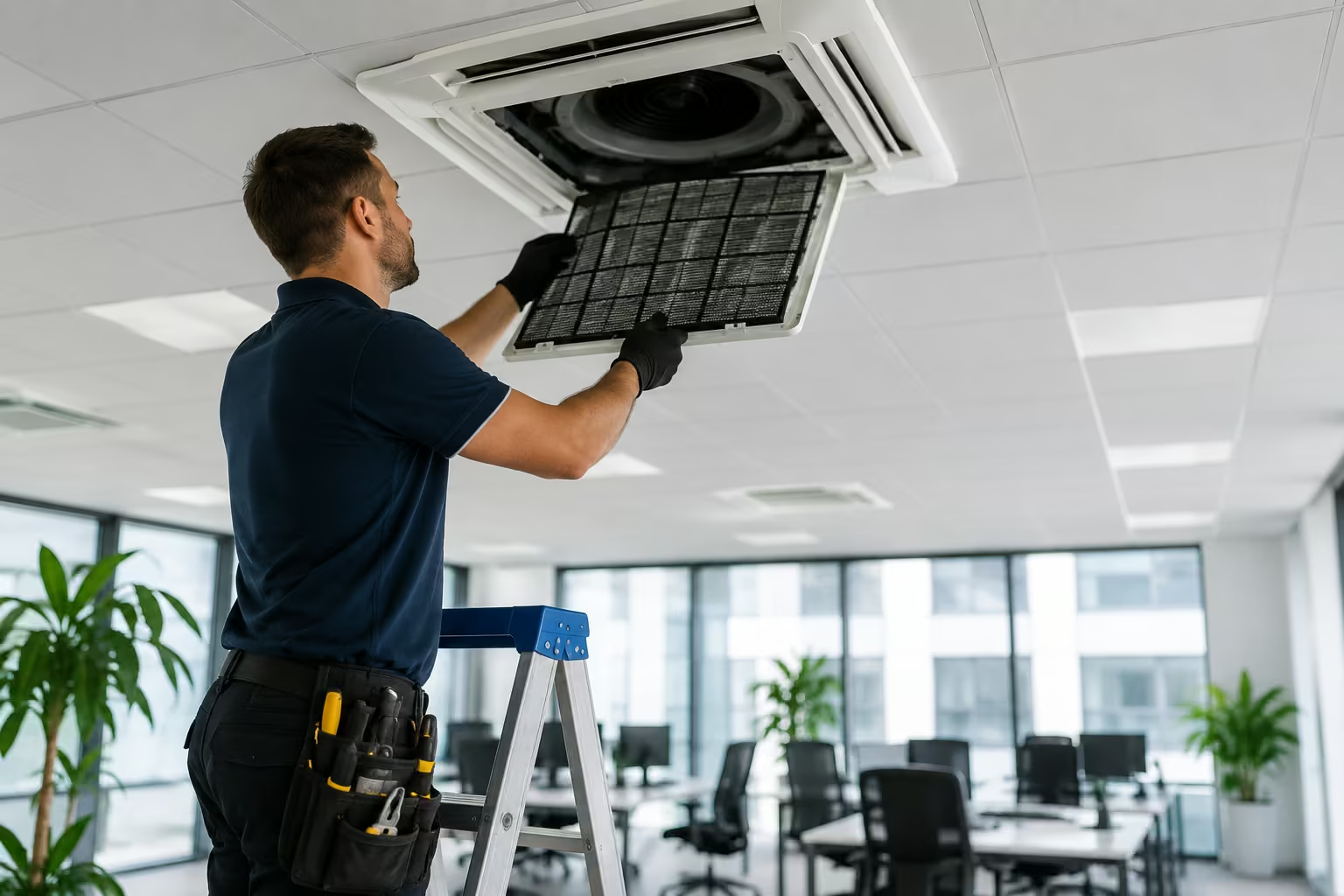
One of the simplest but most important maintenance tasks is checking air filters.
Dirty or clogged filters restrict airflow, forcing the system to work harder to cool the office. This increases energy consumption and reduces cooling efficiency.
Benefits of clean filters include:
- Better airflow
- Improved cooling performance
- Reduced energy bills
- Cleaner indoor air
- Less strain on HVAC components
During summer, filters should be inspected monthly and replaced or cleaned as required.
Inspect Air Vents and Ductwork
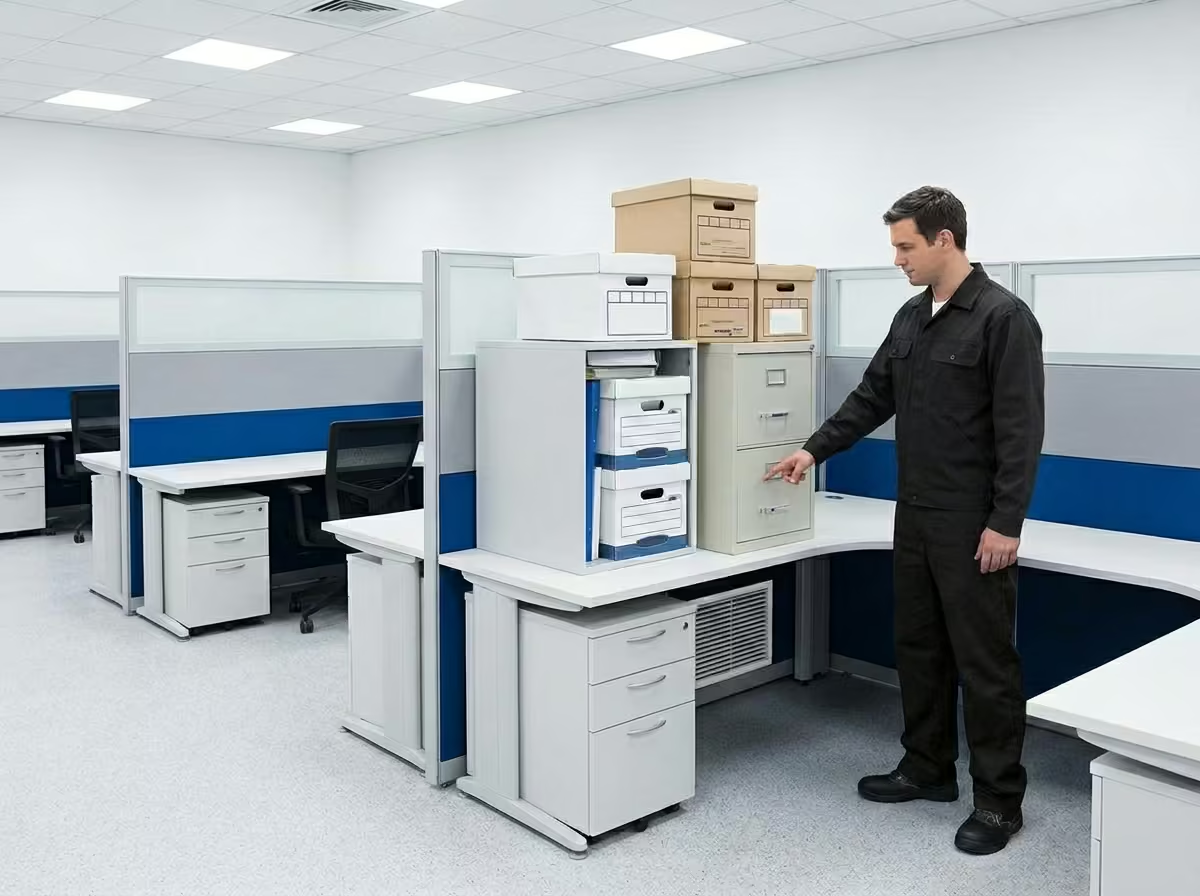
Blocked vents and dirty ductwork can significantly impact system performance.
Office furniture, storage boxes, or equipment may accidentally obstruct air vents, preventing proper airflow throughout the workspace.
Regular inspections should ensure:
- Vents remain unobstructed
- Ductwork is free from leaks
- Airflow is balanced throughout the office
- Dust accumulation is minimized
Efficient airflow allows the system to maintain consistent temperatures while using less energy.
Check Refrigerant Levels
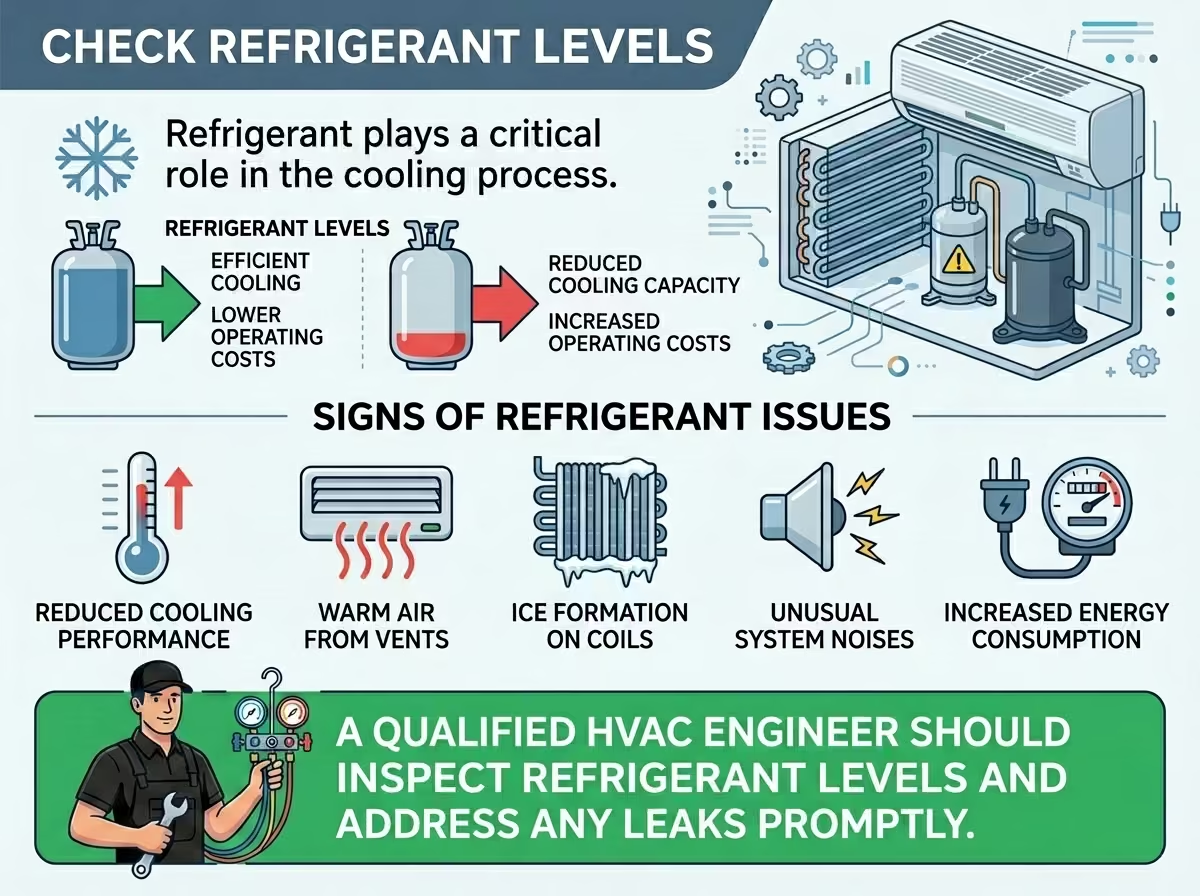
Refrigerant plays a critical role in the cooling process. Low refrigerant levels can reduce cooling capacity and increase operating costs.
Signs of refrigerant issues may include:
- Reduced cooling performance
- Warm air from vents
- Ice formation on coils
- Unusual system noises
- Increased energy consumption
A qualified HVAC engineer should inspect refrigerant levels and address any leaks promptly.
Clean Condenser and Evaporator Coils
Over time, dust, dirt, and debris accumulate on air conditioning coils.
Dirty coils reduce heat transfer efficiency, causing the system to work harder to achieve the desired temperature.
Routine coil cleaning helps:
- Improve cooling efficiency
- Reduce energy usage
- Extend equipment lifespan
- Prevent overheating
Professional servicing should include thorough cleaning of both condenser and evaporator coils.
Test Thermostats and Controls
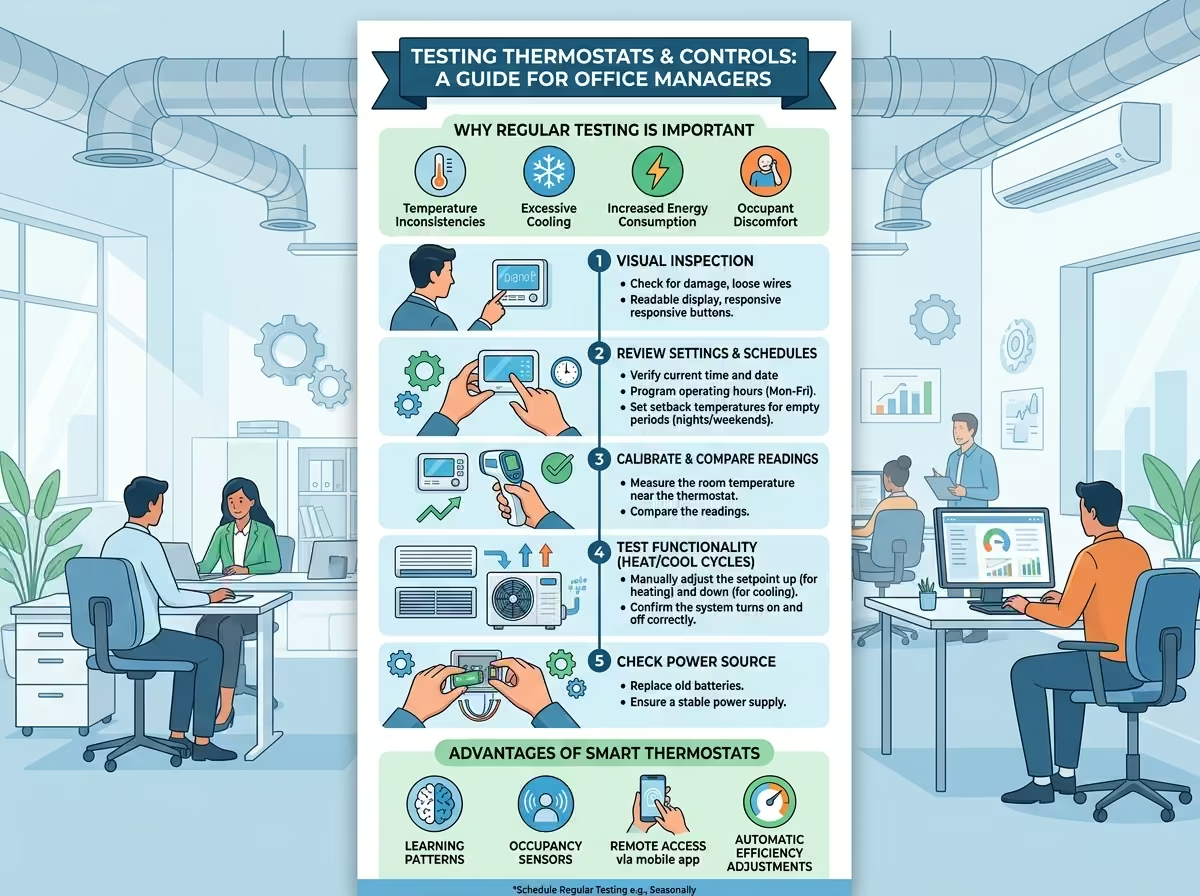
Accurate temperature control is essential for maintaining comfort and efficiency.
Faulty thermostats can cause:
- Temperature inconsistencies
- Excessive cooling
- Increased energy consumption
- Occupant discomfort
Office managers should regularly test thermostats and ensure settings reflect current occupancy patterns and operating hours.
Smart thermostats can further improve efficiency by automatically adjusting temperatures based on office usage.
Schedule Professional HVAC Servicing
While basic maintenance tasks can be performed in-house, professional inspections are essential for identifying hidden issues.
A qualified HVAC technician can:
- Inspect electrical connections
- Test system performance
- Check refrigerant levels
- Clean internal components
- Identify wear and tear
- Ensure compliance with safety standards
Scheduling preventative servicing before the summer season helps reduce the risk of unexpected failures.
Monitor Energy Consumption
An unexplained increase in energy bills may indicate that an air conditioning system is operating inefficiently.
Energy monitoring can help identify:
- Performance issues
- Excessive operating costs
- Equipment faults
- Opportunities for efficiency improvements
Tracking energy usage allows businesses to address problems before they escalate.
Keep Outdoor Units Clear
Many office air conditioning systems include outdoor condenser units.
These units require adequate airflow to function efficiently.
Regular inspections should remove:
- Leaves and debris
- Vegetation growth
- Dirt accumulation
- Obstructions around the unit
Maintaining clear space around outdoor equipment improves performance and reduces system strain.
Improve Office Insulation
Air conditioning maintenance should be combined with measures that reduce cooling demand.
Improving insulation helps maintain indoor temperatures and reduces the workload on HVAC systems.
Consider:
- Sealing windows and doors
- Using solar blinds
- Improving roof insulation
- Reducing direct sunlight exposure
Better insulation leads to lower energy costs and more consistent comfort.
Encourage Energy-Efficient Cooling Practices
Employees can also contribute to HVAC efficiency.
Simple measures include:
- Keeping windows closed while cooling systems operate
- Reporting temperature issues promptly
- Avoiding obstruction of vents
- Using blinds during peak sunlight hours
These practices help maximize cooling efficiency and reduce unnecessary energy consumption.
Benefits of Regular Air Conditioning Maintenance
Reduced Operating Costs
Efficient systems consume less energy and require fewer repairs.
Improved Employee Comfort
Consistent temperatures help employees remain comfortable and productive.
Better Indoor Air Quality
Clean filters and ductwork reduce dust, allergens, and airborne contaminants.
Fewer Breakdowns
Preventative maintenance identifies problems before they cause major failures.
Longer Equipment Lifespan
Regular servicing helps extend the life of expensive HVAC equipment.
FAQs
How often should office air conditioning systems be serviced?
Most commercial air conditioning systems should be professionally serviced at least once or twice per year, ideally before summer.
Why is my office air conditioning not cooling properly?
Common causes include dirty filters, low refrigerant levels, blocked vents, thermostat issues, or mechanical faults.
Can dirty air filters increase energy costs?
Yes. Clogged filters restrict airflow, forcing the system to work harder and consume more energy.
What temperature should an office be during summer?
Most offices maintain comfortable temperatures between 21°C and 24°C.
How can I improve HVAC efficiency in my office?
Regular maintenance, clean filters, proper insulation, smart thermostats, and unobstructed airflow all improve efficiency.
Do air conditioning systems improve air quality?
Yes. Well-maintained systems help filter dust, allergens, and airborne particles, improving indoor air quality.
How long do commercial air conditioning systems last?
With proper maintenance, many commercial HVAC systems can last 15 to 20 years or more.
Should outdoor condenser units be cleaned?
Yes. Keeping outdoor units free from debris helps maintain efficient airflow and cooling performance.
Can preventative maintenance prevent breakdowns?
Regular inspections and servicing significantly reduce the risk of unexpected failures.
Is professional HVAC servicing necessary?
Yes. Professional technicians can identify hidden issues, perform detailed inspections, and ensure the system operates safely and efficiently.