
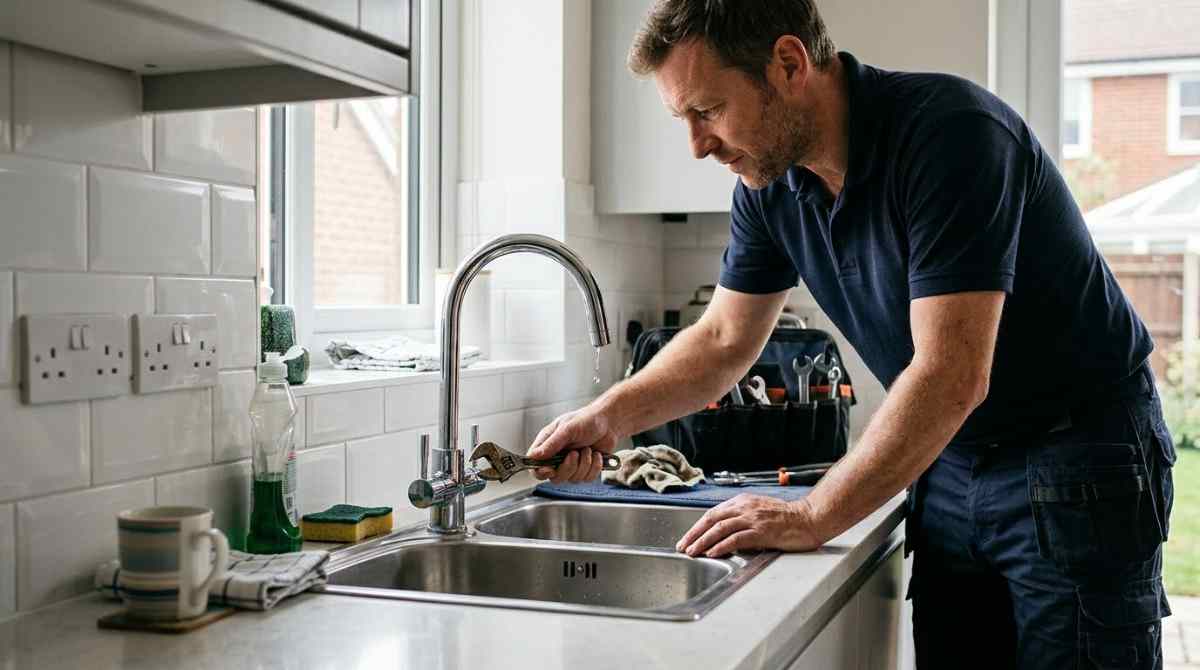
A leaking tap can seem like a minor household problem, but the constant dripping can waste water, leave limescale marks and indicate a worn internal component. Whether the problem is in your kitchen, bathroom or utility room, identifying the source early can help you avoid unnecessary repairs. If you are wondering how to fix a leaking tap, the right solution depends on the type of tap, the location of the leak and the condition of its internal parts. Some problems can be resolved with a replacement washer, while others require a new cartridge, seal or complete tap replacement.
For homeowners, tenants and landlords in Wembley, London, understanding these differences can make it easier to decide whether to attempt a straightforward repair or contact a professional plumber. J Sons & Co provides plumbing and property maintenance services to help keep residential and commercial properties in good working order.
What Causes a Leaking Tap?
Before attempting a repair, establish where the water is coming from. A tap that drips from its spout has a different potential fault from one that leaks around its handle or beneath the sink. The most common causes involve worn sealing components, mineral deposits or loose connections. Identifying the likely cause helps you choose the appropriate repair without replacing parts unnecessarily.
1. Worn or Damaged Tap Washer
Traditional taps often use rubber or fibre washers to create a watertight seal when the tap is closed. Over time, these washers can harden, crack or become worn through repeated use. When the washer no longer seals properly, water may continue to escape from the spout even when the handle is fully closed. Replacing the correct washer may resolve the problem if the surrounding components remain in good condition.
2. Faulty Ceramic Disc Cartridge
Many modern mixer taps use ceramic disc cartridges rather than conventional rubber washers. These components control the flow of water and are designed to provide a reliable seal. Damage, wear or debris inside the cartridge can prevent the tap from closing properly. In this situation, replacing the compatible cartridge may be necessary.
3. Damaged O-Rings or Seals
If water appears around the tap handle, base or spout joint, a worn O-ring or another internal seal could be responsible. These components prevent water from escaping through moving parts and connections. A damaged seal may cause intermittent leakage that becomes more noticeable when the tap is being used. The appropriate replacement depends on the tap’s design and the exact location of the leak.
4. Loose Connections or Corrosion
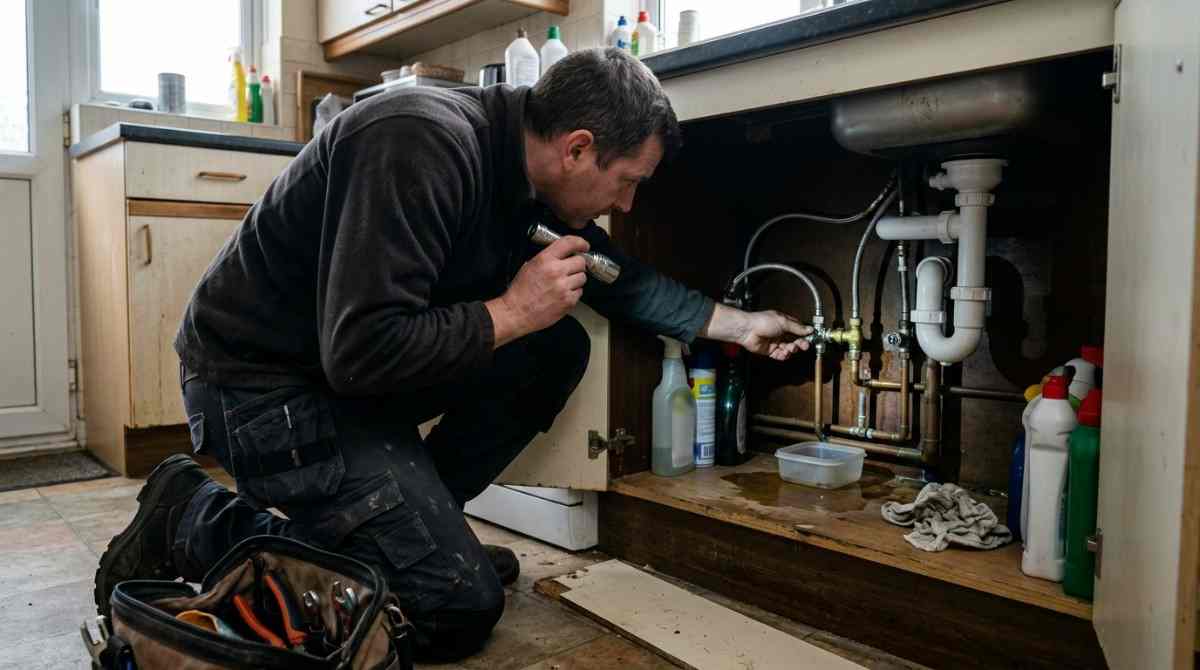
Water beneath a kitchen or bathroom sink does not always mean the tap itself is faulty. A loose supply connection, deteriorated fitting or corroded pipe can also cause leakage. Older fittings may become difficult to remove without damaging surrounding components. If you notice corrosion, persistent dampness or water escaping from a joint, arrange a proper inspection rather than tightening fittings indiscriminately.
How to Fix a Leaking Tap: A Step-by-Step Guide
If the leak is minor and you are comfortable carrying out basic plumbing maintenance, you may be able to replace a worn washer or compatible cartridge yourself. However, you should identify the tap mechanism before dismantling anything. The following steps apply to common domestic taps, although the precise procedure varies by manufacturer and model. Always consult the manufacturer’s instructions where available.
Step 1: Turn Off the Water Supply
Water must be isolated before opening a tap’s internal mechanism. Look for accessible isolation valves on the pipes beneath the sink, or use the property’s main stopcock if necessary. Turn the tap on after isolation to release the remaining water. If you cannot locate the correct valve or it will not operate safely, stop and contact a plumber.
Step 2: Protect the Sink and Work Area
Place a cloth in the basin to protect its surface and prevent small components from falling into the waste. Keep tools organised and ensure the surrounding area is dry. This preparation also makes it easier to spot any remaining water during the repair. Avoid working around wet electrical equipment or fittings.
Step 3: Identify the Faulty Component
Examine the tap’s design and consult the manufacturer’s instructions before removing the handle or valve assembly. Traditional taps, quarter-turn taps and single-lever mixers can use different internal mechanisms. Do not assume that every dripping tap needs a replacement washer. Selecting the wrong component can waste time and may damage the fitting.
Step 4: Replace the Washer or Cartridge
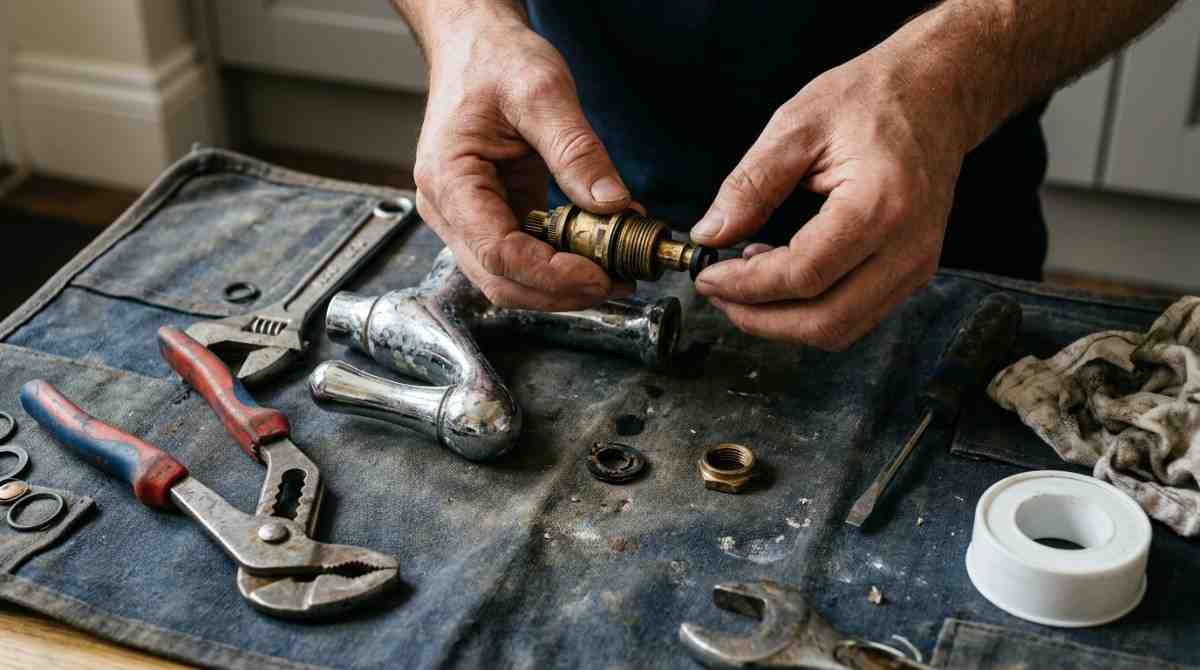
Once the water is isolated and the correct mechanism has been identified, follow the manufacturer’s removal instructions. Inspect the relevant sealing component and replace it with a compatible part if it is worn or damaged. Avoid forcing seized nuts or corroded fittings. If the component will not release with reasonable effort, professional assistance is safer than applying excessive force.
Step 5: Reassemble and Check for Leaks
Reassemble the tap according to the manufacturer’s instructions, ensuring that seals are correctly positioned. Restore the water supply slowly and check the tap during normal operation. Inspect the spout, handle, tap base and accessible connections for signs of leakage. If water continues to escape, isolate the supply again if safe and arrange a professional assessment.
Tools and Materials You May Need
The equipment required depends on the tap mechanism and the repair being attempted. Having the correct tools and replacement component ready can reduce the risk of damaging the fitting. Before buying parts, check the tap’s make and model where possible. If you cannot identify the mechanism confidently, take advice from a plumber or the tap manufacturer.
Commonly required items include:
- An adjustable spanner or suitable manufacturer-recommended tool.
- A screwdriver or the appropriate tool for the handle fixing.
- A replacement washer, O-ring or compatible cartridge.
- A cloth and basin plug to protect the work area and retain small components.
These items are not required for every repair. Some modern taps need specific tools or replacement assemblies, so avoid dismantling the tap until you understand its design.
Leaking Tap Repair Costs in Wembley, London
The cost of repairing a leaking tap depends on the fault, the tap’s design, access to the plumbing and whether replacement parts are readily available. A simple washer replacement will generally cost less than replacing a complete tap or repairing damaged pipework. London prices can also vary according to the plumber, appointment time and complexity of the work. The figures below are indicative budgeting ranges rather than a fixed quotation for Wembley.
| Type of repair | Indicative cost |
|---|---|
| Replacement washer or small seal | £50–£90 |
| Ceramic cartridge replacement | £70–£150 |
| Tap repair involving difficult access or seized parts | £100–£200+ |
| New tap installation, excluding the tap itself | £100–£200 |
| New tap supplied and fitted | £200–£400+ |
These estimates are not guaranteed prices, and individual jobs may fall outside the ranges shown. The final cost depends on labour, materials, the tap model and any additional plumbing work required. For comparison, a November 2025 Which? Trusted Traders survey listed £45 to £200, excluding VAT, for one specific leaking kitchen tap repair. That example should not be treated as a universal Wembley rate or a price guarantee. See the tap repair cost and troubleshooting guidance for further context.
Before approving work, ask for a breakdown covering labour, parts, call-out charges and VAT where applicable. If the tap is badly corroded or has repeatedly failed, compare the cost of repair with the cost of replacement.
When Should You Call a Professional Plumber?
Not every leaking tap is suitable for a DIY repair. Although replacing an accessible washer may be straightforward, problems involving concealed connections, damaged pipework or seized mechanisms can become more complicated. If you are unsure about the water supply, cannot identify the faulty component or cannot stop the leak, professional help can prevent a minor issue from becoming a more expensive repair.
Contact a plumber if you experience any of the following:
- Water leaking beneath the sink: A supply hose, connector or pipe may be responsible, and the source needs to be identified.
- A tap that will not stop running: A failed valve or damaged internal component may need professional attention.
- Corroded or seized fittings: Forcing old plumbing components can damage the tap, pipework or surrounding connections.
- Repeated leaks after repair: The original fault may not have been addressed, or another component may be damaged.
If water is flowing rapidly or is close to sockets, switches or electrical appliances, treat the situation as urgent. Keep away from wet electrical areas, isolate the water only if it is safe to do so, and seek appropriate assistance. Tenants should report the problem to their landlord or managing agent before arranging non-emergency work, unless their tenancy arrangements specify otherwise.
How to Prevent a Tap from Leaking Again
Regular checks can help you spot early signs of wear and reduce the likelihood of another leak. Good maintenance also helps protect worktops, cupboards and flooring from prolonged exposure to moisture. The best approach is to use the tap correctly, keep its exterior clean and address changes in performance before they become more serious.
Follow these practical maintenance tips:
- Avoid overtightening: Close taps gently rather than forcing the handle, as excessive pressure can accelerate wear on seals and internal mechanisms.
- Clean away limescale: Use a cleaning method suitable for the tap’s finish and follow the manufacturer’s care instructions.
- Check for moisture: Inspect the tap base and accessible connections periodically for dampness or signs of corrosion.
- Arrange repairs early: Investigate persistent dripping, stiff controls or recurring leakage rather than repeatedly ignoring the symptoms.
These measures will not prevent every mechanical failure, but they can help you identify problems earlier and avoid unnecessary damage.
Why Choose J Sons & Co for Plumbing Services in Wembley?
When a leaking tap requires more than a simple adjustment, choosing a dependable local property maintenance provider can make the repair process easier. J Sons & Co offers plumbing and wider building maintenance services for residential and commercial properties in Wembley and across London. Our approach focuses on identifying the issue, discussing suitable repair options and helping customers understand the work required before proceeding. The right solution should address the source of the leak rather than simply conceal its symptoms.
Customers looking for plumbing assistance can benefit from:
- Practical repair advice: Understand the likely cause of the leak and whether repair or replacement is appropriate.
- Clear communication: Discuss the proposed work, parts and expected costs before authorising the repair.
- Property maintenance support: Access plumbing alongside other building maintenance services where required.
- Local service enquiries: Contact J Sons & Co to discuss plumbing requirements at your Wembley home, rental property or business premises.
Every repair depends on the actual condition of the installation, so the scope, price and appointment availability should be confirmed before work begins.
Book Plumbing Assistance in Wembley, London
A dripping tap may appear insignificant, but dealing with it promptly can help prevent wasted water, persistent noise and damage around sinks or worktops.
If you have tried a suitable repair and the leak continues, or you are not confident dismantling the tap, contact J Sons & Co to discuss your plumbing requirements. We can help you determine the next steps for your property maintenance needs.
Frequently Asked Questions
1. How do I fix a leaking tap at home?
Start by identifying where the water is escaping and what type of tap you have. Isolate the water supply before attempting a repair, then follow the manufacturer’s instructions to replace a compatible worn washer, seal or cartridge. If the source is unclear or the fitting is damaged, contact a plumber.
2. What is the most common cause of a dripping tap?
A worn washer is a common cause in traditional compression taps. Modern mixer taps may instead have a damaged or contaminated ceramic disc cartridge. Leaks around the handle or base can also indicate a deteriorated O-ring or another faulty seal.
3. How much does it cost to fix a leaking tap in London?
A straightforward repair may cost tens of pounds, while cartridge replacements, difficult access and complete tap installations can cost considerably more. The final price depends on labour, replacement parts, call-out fees and VAT. Request a specific quotation before agreeing to the work.
4. Can I replace a tap washer myself?
Yes, if the tap uses a replaceable washer, the water can be isolated safely and you have the correct tools and replacement part. However, modern ceramic disc taps often require a compatible cartridge instead. If the mechanism is unfamiliar or corroded, professional assistance is advisable.
5. Should I repair or replace a leaking tap?
Repair is often sensible when the tap body is sound and the fault is limited to a replaceable washer, seal or cartridge. Replacement may be more practical if the tap is badly corroded, physically damaged, unstable or repeatedly leaking despite repairs. Compare the overall costs before deciding.
6. When should I call a plumber for a leaking tap in Wembley?
Contact a plumber if the leak continues after a repair, water escapes beneath the sink, fittings are seized or corroded, or the tap cannot be shut off properly. For uncontrolled water or leakage near electricity, prioritise safety and seek urgent assistance.
About J Sons & Co
J Sons & Co provides building services and property maintenance, including plumbing, electrical work, air conditioning and renovation support. To discuss a leaking tap or other plumbing issue in Wembley, London, visit jsonsco.com.